Vinyl Siding Cost A Comprehensive Guide
Vinyl siding cost is a significant factor when considering home improvement projects. This guide delves into the various aspects that influence the total price, from material costs and installation labor to regional variations and additional expenses. Understanding these elements is crucial for creating a realistic budget and making informed decisions.
We’ll explore different vinyl siding materials, their associated costs, and the factors that affect installation prices. The guide also considers alternative siding options, helping you compare costs and benefits. Finally, we’ll provide a practical method for estimating your project’s total cost and offer insights into regional variations and long-term maintenance considerations.
Vinyl Siding Material Costs
Vinyl siding is a popular exterior cladding option due to its affordability, durability, and wide range of styles. Understanding the different material types and their associated costs is crucial for homeowners planning a siding project. The cost of vinyl siding can vary significantly based on factors like material quality, thickness, and features.
Vinyl Siding Material Types
Various vinyl siding types offer different aesthetics and performance characteristics. Choosing the right type depends on the desired look and budget.
| Material Type | Description | Estimated Cost Range (per square foot) |
|---|---|---|
| Smooth Vinyl Siding | A classic choice, smooth vinyl siding provides a clean, contemporary look. It’s relatively straightforward to install and maintain. | $4-$8 |
| Textured Vinyl Siding | Mimicking the look of wood or other natural materials, textured vinyl siding adds visual depth and character. This often translates to a higher price point. | $5-$9 |
| Composite Vinyl Siding | Combining vinyl with wood fiber or other materials, composite vinyl siding provides enhanced durability and resistance to dents and scratches. This type usually comes with a premium price tag. | $7-$12 |
Factors Influencing Vinyl Siding Cost
Several factors play a role in determining the final cost of vinyl siding installation. A detailed understanding of these factors allows homeowners to make informed decisions.
- Material Quality: Higher-quality vinyl siding is typically more resistant to warping, fading, and damage. This translates into a higher initial cost but often leads to a longer lifespan, offsetting the higher upfront price.
- Thickness: Thicker vinyl siding panels are more durable and resistant to impacts. While thicker siding costs more, it can offer long-term savings by minimizing the need for repairs.
- Special Features: Features like enhanced color stability, advanced UV resistance, or added insulation can increase the material’s cost. These additions can significantly enhance the lifespan and performance of the siding. For example, siding with advanced UV protection may cost more upfront, but the long-term savings from avoiding costly repainting or replacement could be considerable.
- Installation Costs: Labor costs vary depending on location, contractor experience, and project complexity. A more complex installation with intricate designs or difficult access points will usually result in a higher labor cost.
- Quantity: The greater the square footage of the house requiring siding, the higher the overall cost. Estimating the quantity accurately is critical for precise cost estimations.
Installation Costs and Labor
Source: premierroofsct.com
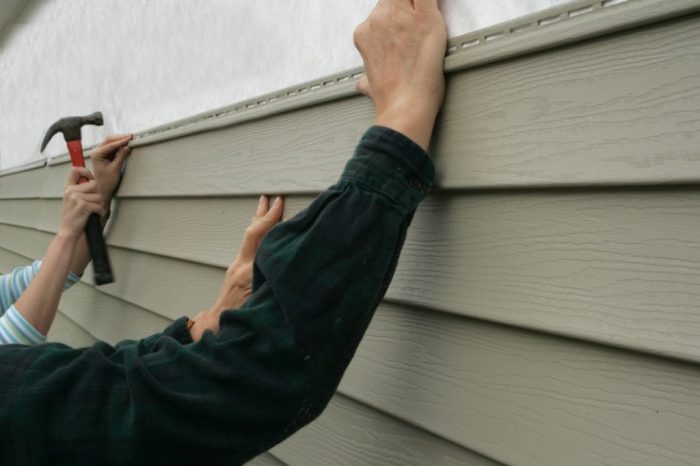
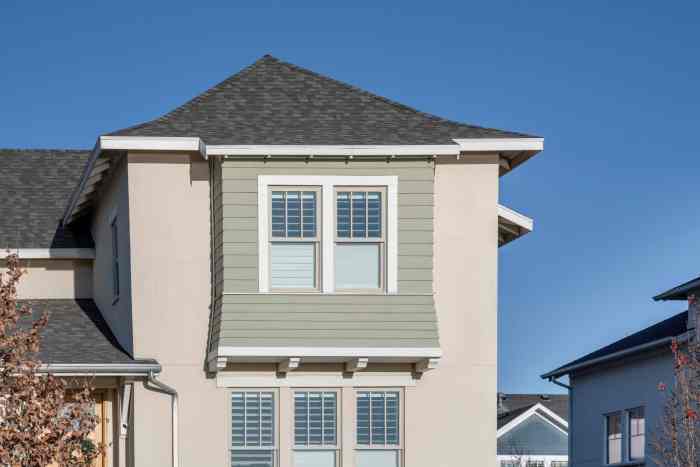
Installing vinyl siding involves more than just the material cost; labor is a significant factor. The overall installation expense hinges on several variables, including the project size, the complexity of the job, and the chosen installation method. Understanding these factors allows homeowners to accurately budget for the project.
Typical Installation Labor Costs
Vinyl siding installation labor costs typically range from $3 to $8 per square foot. This average can fluctuate based on factors like the siding type, the condition of the existing house, and the geographic location. A reputable contractor will provide a detailed breakdown of these factors and offer a comprehensive estimate.
Impact of Project Size on Labor Costs
The size of the project significantly influences labor costs. Larger projects, with greater square footage, often yield lower per-square-foot labor costs due to economies of scale. Smaller projects, conversely, will command higher per-square-foot rates as overhead expenses are spread over a smaller area.
Typical Installation Methods and Associated Costs
Several installation methods exist for vinyl siding, each with varying costs. A common method involves nailing or stapling the siding directly to the existing sheathing, often the most straightforward approach. This is generally more affordable than methods that require additional framing or insulation. Specialty methods, like those involving complex designs or unique siding types, might incur additional charges.
Comparison of Installation Contractor Types and Average Rates
Contractors offering vinyl siding installation vary in their experience and pricing. Licensed and insured contractors, possessing extensive knowledge of building codes and safety procedures, often charge higher rates than less-experienced contractors. However, they typically offer greater reliability and warranty coverage. Subcontractors or smaller crews may provide lower hourly rates, but this might come with fewer guarantees or warranties. The best choice often involves a careful evaluation of experience, reliability, and the specific requirements of the job.
Installation Cost Table
This table provides a general guide to installation costs based on square footage ranges. Note that these are estimates and actual costs may vary based on local labor rates, material specifications, and project complexities.
| Square Footage Range | Estimated Labor Cost (per square foot) |
|---|---|
| 100-250 sq ft | $6 – $8 |
| 251-500 sq ft | $5 – $7 |
| 501-1000 sq ft | $4 – $6 |
| 1001+ sq ft | $3 – $5 |
Factors Affecting Total Cost
The cost of vinyl siding installation is influenced by a multitude of factors beyond the material price. Understanding these factors is crucial for homeowners to accurately estimate the overall project budget and make informed decisions. Careful consideration of these aspects will lead to a more realistic and comprehensive understanding of the final cost.
Factors Increasing Vinyl Siding Costs
Several elements can significantly inflate the final price tag for vinyl siding. Complex architectural details, such as intricate dormers, bay windows, or steeply pitched roofs, often require specialized installation techniques, leading to higher labor costs. Similarly, challenging installation sites, like those with difficult terrain or access restrictions, increase the complexity and time needed for the job, thus driving up the overall expense. Additionally, if the home’s structure has significant pre-existing damage or requires extensive repairs prior to siding installation, the cost of the project will naturally increase.
Factors Decreasing Vinyl Siding Costs
Several strategies can help reduce the total cost of vinyl siding installation. Using less expensive vinyl siding materials, while compromising on certain features like durability or aesthetic appeal, can directly lower the material cost. Simpler home designs with straightforward rooflines and fewer architectural details tend to have lower installation costs compared to more complex structures. Prioritizing a smaller project area, for instance, focusing on one section of the house, will inevitably reduce the overall project cost.
Role of Permits and Inspections
Permits and inspections are essential components of any home improvement project, including vinyl siding installation. These regulatory processes add to the overall cost of the project, as they involve fees for obtaining permits and the time required for inspections. The complexity of the project and local building codes can also impact the cost and duration of these procedures. For instance, a renovation that requires multiple inspections may take longer and increase the final cost.
Additional Expenses
Beyond the direct costs of materials and labor, several additional expenses are frequently associated with vinyl siding projects. Preparation work, such as cleaning and preparing the existing siding for removal (if applicable) or ensuring the house’s surface is properly prepared for installation, can add significantly to the project budget. Proper disposal of old materials, such as debris from the demolition of existing siding or waste generated during the installation process, is another necessary cost. In certain cases, damage to existing landscaping or fencing might occur during installation, necessitating additional expenses for repair or replacement. Contingency funds should be included in the budget to account for unforeseen issues that may arise during the project.
Cost Comparison with Other Siding Options: Vinyl Siding Cost
Choosing the right siding material for your home is crucial, as it significantly impacts both the initial cost and the long-term value of your property. Understanding the comparative costs and lifespans of different siding options is essential for making an informed decision that aligns with your budget and aesthetic preferences.
Beyond the initial investment, factors like maintenance and durability over time play a critical role in the overall cost of ownership. This comparison will help you weigh the pros and cons of various siding materials, ultimately aiding in determining the most suitable choice for your home renovation or new construction project.
Vinyl Siding Cost Comparison
Vinyl siding is a popular choice due to its affordability and low maintenance requirements. However, understanding how it stacks up against other materials is key to making a budget-friendly and durable choice.
Comparison of Siding Materials
Different siding materials offer varying levels of cost, durability, and maintenance needs. This section presents a detailed comparison of vinyl siding with other common choices, including wood, fiber cement, and metal.
- Wood Siding: Wood siding, while aesthetically pleasing, requires significant maintenance, including regular sealing and painting to prevent rot and decay. The initial cost can be competitive with vinyl, but ongoing upkeep adds to the overall long-term expense. The lifespan of properly maintained wood siding can be substantial, often exceeding 20 years, but this hinges on consistent and diligent upkeep. A notable example of this is the enduring beauty of older homes featuring wood siding, showcasing the long-term potential with appropriate maintenance.
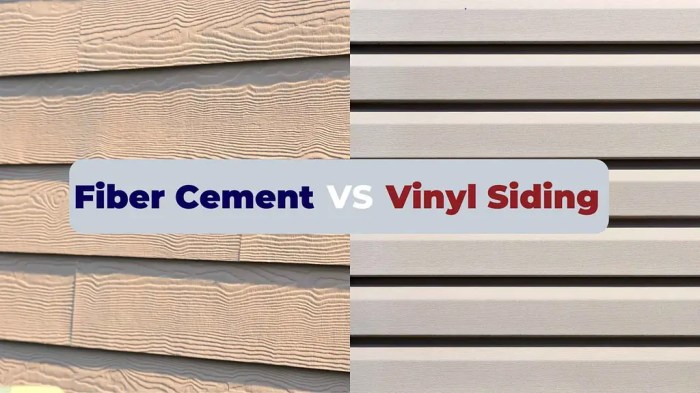
- Fiber Cement Siding: Fiber cement siding is known for its durability and resistance to rot, insects, and fire. This translates to a lower maintenance burden compared to wood. However, the initial cost tends to be higher than vinyl siding. The long lifespan, often exceeding 50 years, justifies the higher upfront price in many cases. A homeowner might opt for fiber cement siding to ensure the siding will last for generations, outweighing the initial investment.
- Metal Siding: Metal siding, including steel and aluminum, is highly durable and offers excellent protection against the elements. It boasts a long lifespan, potentially exceeding 50 years with proper maintenance. The initial cost can be higher than vinyl, but the reduced maintenance requirements and extended lifespan make it a potentially cost-effective choice in the long run. Consider the example of a metal-sided warehouse, often lasting for decades with minimal maintenance, demonstrating the potential of this material for long-term durability.
Estimated Cost Comparison Table
This table provides a general cost comparison of different siding materials, factoring in both the material cost and installation labor. Note that these are estimated figures and actual costs may vary based on location, specific materials used, and the size of the project.
| Siding Material | Estimated Cost (per square foot) | Durability (Years) | Maintenance Requirements |
|---|---|---|---|
| Vinyl | $5-$15 | 20-30 | Low (minimal painting, sealing) |
| Wood | $6-$18 | 20-30 (with maintenance) | Medium (regular painting/sealing) |
| Fiber Cement | $10-$25 | 50+ | Low (minimal maintenance) |
| Metal | $15-$30 | 50+ | Low (minimal maintenance) |
Estimating Project Costs
Accurately estimating vinyl siding project costs is crucial for planning and budgeting. A precise estimate helps homeowners avoid unexpected expenses and ensures a smooth project execution. This section provides a step-by-step guide for estimating your vinyl siding project’s total cost.
Understanding the various factors contributing to the total cost, from material expenses to labor fees, is vital for a realistic assessment. This includes calculating square footage, factoring in special features, and obtaining multiple quotes from contractors.
Detailed Procedure for Estimating Vinyl Siding Costs
A methodical approach is key to a reliable estimate. Begin by gathering all relevant information, including the size and dimensions of your home’s exterior surfaces requiring siding. This information is essential for accurate material calculations. Next, research current market prices for vinyl siding materials. These prices can fluctuate based on brand, type, and availability. Consult with local suppliers or online retailers to obtain current pricing.
Methods for Calculating Total Project Budget
Various methods exist for calculating the total project budget, each with its own advantages. One common method involves calculating the total square footage of the exterior surfaces requiring siding. This calculation forms the foundation for estimating the amount of materials needed. For instance, if your home’s exterior surface area needing siding is 2,000 square feet, and the cost per square foot is $5, the material cost would be $10,000. Remember to account for waste and potential extra materials.
Another crucial factor is labor costs. These costs vary significantly based on the complexity of the project, the contractor’s experience, and local labor rates. A detailed estimate should factor in these considerations. If your project requires specialized work, like installing siding on a multi-level home or incorporating intricate architectural details, expect higher labor costs.
Factoring in Additional Costs for Special Features and Complications
Vinyl siding projects can encompass various complexities beyond basic installation. Special features like custom trims, window surrounds, or intricate architectural details require additional labor and material costs. These expenses must be factored into the overall budget. Consider the added cost of replacing existing siding or preparing the surface before installation. The need for specialized tools or equipment may also impact the final price. For example, if your home has multiple stories or difficult-to-reach areas, the labor cost will likely increase.
Obtaining and Comparing Quotes from Contractors
Securing multiple quotes from contractors is essential for comparing pricing and ensuring value. This process allows for informed decision-making and helps in negotiating favorable terms. Request detailed breakdowns of each quote, specifying material costs, labor fees, and any additional charges. Carefully compare quotes based on the specifics of the project, paying attention to details like warranties, insurance, and the contractor’s experience.
| Contractor | Total Cost | Materials Cost | Labor Cost | Additional Charges |
|---|---|---|---|---|
| ABC Siding | $15,000 | $7,000 | $8,000 | $0 |
| XYZ Construction | $16,500 | $8,000 | $8,500 | $500 for specialized materials |
Thorough comparison of quotes is critical to ensuring you receive the best value for your project.
Regional Variations in Cost
Regional differences significantly impact vinyl siding costs. Factors like labor rates, material availability, and local economic conditions all play a role in shaping the final price tag. Understanding these variations is crucial for homeowners seeking accurate estimates and avoiding unexpected price fluctuations.
Geographic Location’s Impact
Geographic location directly affects the cost of vinyl siding. Higher labor costs in densely populated or metropolitan areas often translate to higher installation fees. Conversely, rural areas might see lower labor costs. Material availability and transportation expenses also contribute to regional variations. For instance, if a particular type of vinyl siding is less readily available in a region, its cost may be elevated due to import fees or specialized delivery costs.
Regional Price Ranges
The cost of vinyl siding materials and installation labor varies significantly by region. While precise figures can vary greatly depending on specific material choices, project size, and other variables, general examples illustrate the disparity. For instance, in the Northeast, material costs for premium vinyl siding might average 10-15% higher compared to the Midwest, due to higher demand and potentially more expensive shipping. Labor costs in the Northeast might also be 15-20% higher than the national average. Conversely, the South might see lower material costs due to the availability of local suppliers, but labor costs might fluctuate depending on the specific region within the South. It is essential to seek local quotes for precise cost estimates in each specific region.
Influence of Local Economic Factors
Local economic conditions also influence vinyl siding costs. During periods of economic growth, increased demand for construction materials and services often leads to higher prices. Conversely, economic downturns can sometimes result in slightly lower costs, though this can also be affected by the specific industry’s resilience to economic shifts. Inflation and fluctuations in raw material prices also affect the cost of vinyl siding materials. A region experiencing rapid inflation, for example, will likely see higher prices for all building materials, including vinyl siding.
Summary of Regional Impact
Regional variations in vinyl siding costs are a significant factor to consider. Different geographic locations, local economic conditions, and material availability all contribute to price differences. Homeowners should obtain multiple quotes from local contractors to get a comprehensive understanding of costs within their specific region, ensuring that the final price reflects the prevailing market conditions.
Additional Considerations
Beyond the upfront material and installation costs, several factors significantly impact the total cost of ownership for vinyl siding. Understanding warranties, maintenance requirements, and long-term implications is crucial for making an informed decision.
Warranties and guarantees, crucial aspects of any major home improvement project, play a significant role in mitigating potential future costs and influencing the overall project expense. Careful evaluation of these provisions can save money in the long run and protect against unforeseen expenses.
Warranties and Guarantees
Vinyl siding manufacturers and installers typically offer warranties covering material defects and installation issues. These warranties vary in terms of coverage duration, specific defects covered, and exclusions. Understanding the details of these warranties is critical before committing to a project. Manufacturers may offer warranties of 10-20 years for the material itself, covering issues like discoloration or material degradation. Installation warranties typically last for 1-10 years and address concerns about workmanship and installation problems. Crucially, these warranties are not always transferable if the home is sold.
Impact of Warranties on Total Project Cost, Vinyl siding cost
The presence and strength of warranties directly impact the total cost of ownership. Stronger warranties, covering a longer period and broader issues, often come at a slightly higher upfront cost, but can provide substantial long-term cost savings by mitigating future repair or replacement expenses. For example, a 20-year material warranty may increase the initial cost per square foot by a few dollars, but this investment can significantly reduce the need for costly repairs or replacements during the siding’s lifespan.
Long-Term Maintenance Costs
Vinyl siding, while low-maintenance, does require periodic upkeep. Painting is generally not needed, but regular cleaning to remove dirt, grime, and mildew buildup is essential to maintain its aesthetic appeal and prevent premature deterioration. This maintenance, while seemingly minor, adds to the overall long-term cost of vinyl siding. Cleaning can be done with simple household cleaners, but the cost of labor for specialized cleaning may increase with the scale of the project. Furthermore, while infrequent, repairs and replacements for damaged or deteriorated siding are inevitable over time.
Impact of Different Warranties on Total Cost of Ownership
The total cost of ownership for vinyl siding is influenced by the duration and specifics of the warranties offered. A siding system with a comprehensive warranty that covers material defects, installation issues, and potential damage from extreme weather events will likely have a lower long-term cost compared to a system with limited or no warranties. Homeowners should carefully compare warranties from different manufacturers and installers to determine the best value for their specific needs and budget. This analysis should take into account not only the upfront cost but also the potential for future repair or replacement costs. For instance, a homeowner choosing a warranty that only covers material defects for 10 years might face higher replacement costs in the future than a homeowner who opted for a 20-year warranty.
Closing Summary
Source: twincitiesroofing.com
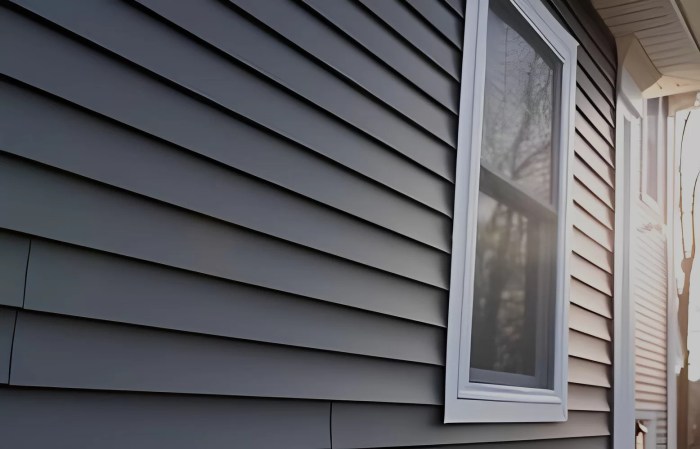
In conclusion, determining the precise vinyl siding cost requires a thorough understanding of material choices, installation complexities, and regional variations. By carefully considering these factors, you can develop a realistic budget and make an informed decision that aligns with your project’s needs and financial constraints. Remember to factor in potential additional expenses and seek multiple quotes to ensure a favorable outcome.