Fiber Cement Siding Repair A Comprehensive Guide
Fiber cement siding repair is a crucial aspect of maintaining your home’s exterior. Understanding the various types of fiber cement siding, the common issues they face, and the appropriate repair methods is essential for preserving your property’s value and longevity. From minor damage to extensive replacements, this guide provides a comprehensive overview of the process, ensuring you’re equipped to handle any situation.
This guide covers everything from identifying the signs of damage to selecting the right repair techniques. We’ll delve into the different types of fiber cement siding materials and their unique repair needs, providing a clear breakdown of the necessary steps. You’ll discover how to effectively assess damage, choose the most suitable repair methods, and acquire the necessary materials. Furthermore, we’ll emphasize safety precautions to ensure a secure and successful repair process. Ultimately, understanding cost considerations and preventative maintenance strategies are vital for long-term protection and value.
Introduction to Fiber Cement Siding Repair
Fiber cement siding, a popular choice for exterior walls, offers durability and aesthetic appeal. Its composition, typically a blend of cellulose fibers, cement, and other additives, creates a strong, weather-resistant material. This resilience makes it a good candidate for long-term protection of your home, but like any building material, it’s susceptible to damage from various sources. Proper repair, when necessary, is crucial for maintaining the siding’s structural integrity, preventing further deterioration, and safeguarding your property investment.
This material’s inherent strength and resistance to rot, insects, and fire make it a practical choice. However, factors like harsh weather, impacts, and pest infestation can still lead to damage. Addressing these issues promptly through appropriate repair methods is vital to preserving the siding’s appearance and longevity. Neglecting necessary repairs can result in significant property value depreciation and future, more extensive repair needs.
Common Scenarios Requiring Repair
Fiber cement siding, while durable, is not impervious to damage. Common scenarios requiring repair include damage from extreme weather events like high winds, hailstorms, and heavy rains. Impacts from falling debris, objects, or even careless handling during installation can also create cracks or dents. Pest infestations, though less frequent than with other siding types, can still compromise the material’s integrity. Identifying and addressing these issues promptly will mitigate further damage and maintain the structural integrity of the siding.
Importance of Proper Repair
Proper repair is essential for maintaining the value and longevity of your property. Addressing damage promptly prevents further deterioration, protecting the siding from more extensive and costly repairs in the future. Repairing damaged areas helps maintain the aesthetic appeal of your home, keeping it looking its best. The timely repair of any damage ensures that the structural integrity of the siding is preserved, preventing potential problems and future costs.
Types of Fiber Cement Siding and Their Repair Needs
| Siding Type | Common Issues | Repair Methods |
|---|---|---|
| Smooth-faced fiber cement siding | Cracks, dents, and holes from impact or weather; discoloration from weathering; loose or missing fasteners. | Repairing cracks with patching compounds; filling dents with appropriate fillers; replacing damaged sections; tightening or replacing loose fasteners; cleaning and treating discoloration as needed. |
| Textured fiber cement siding | Similar issues to smooth-faced siding, including cracks, dents, and holes. Possible issues include damage to the textured surface. | Repairing cracks and dents; replacing damaged sections; repairing or replacing damaged textured areas. |
| Fiber cement siding with integrated architectural features | Damage to the sculpted or embossed features; cracking or breakage of the features; potential damage from impacts or weather. | Repairing damage to sculpted features with matching patching compounds; replacing broken or severely damaged features; reinforcing the affected areas with appropriate structural supports; implementing preventative measures to mitigate further damage. |
Identifying Damage and Assessing the Situation
Source: abcotvs.com
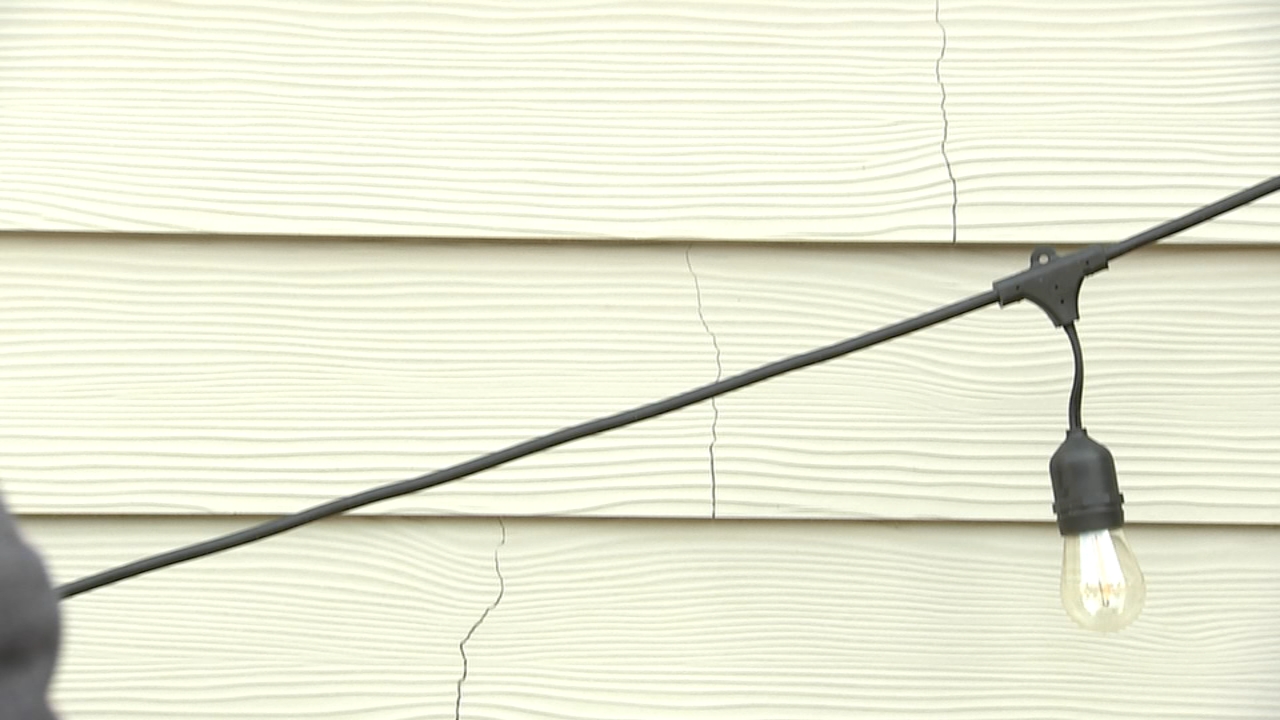
Properly identifying damage to fiber cement siding is crucial for effective and cost-effective repairs. A thorough assessment ensures that the repair strategy addresses the problem’s root cause, preventing future issues and extending the life of the siding. This section will Artikel visual indicators of damage, detailed inspection procedures, and necessary tools. Finally, a table will categorize damage severity and recommend appropriate repair solutions.
A careful visual inspection, combined with a tactile assessment, is key to determining the extent of the damage and choosing the right repair approach. Ignoring minor damage can lead to more extensive and expensive problems down the line. Understanding the various types of damage and their corresponding repair strategies is essential for homeowners to make informed decisions about their siding maintenance.
Visual Indicators of Damaged Fiber Cement Siding
Fiber cement siding, while durable, is susceptible to damage from various sources. Recognizing the telltale signs of damage is the first step in effective repair. Visual indicators include cracks, discoloration, loose or missing panels, and signs of water intrusion. Cracks can range from hairline fractures to more substantial splits, depending on the cause and severity. Discoloration might appear as mold, mildew, or staining, indicating moisture penetration or degradation. Loose or missing panels often signal underlying structural problems or inadequate installation. Water intrusion manifests as discoloration, bubbling, or soft spots, often around seams or joints.
Steps to Thoroughly Inspect the Damaged Area
A systematic inspection is vital to fully understand the scope of the damage. First, thoroughly inspect the damaged area for any visible signs of damage, such as cracks, discoloration, or missing sections. Next, carefully examine the surrounding area for similar or related damage, as problems often occur in clusters. Pay attention to the condition of the caulking and sealant around joints and seams, which are vulnerable to deterioration and water penetration. Note the location and extent of any moisture intrusion, and whether it’s consistent with specific weather events or conditions.
Tools Needed for Accurate Assessment, Fiber cement siding repair
The right tools significantly enhance the accuracy of the assessment. Essential tools include a utility knife or razor blade for carefully removing loose debris or paint, a moisture meter to detect moisture intrusion, a screwdriver for checking panel attachment points, and a measuring tape for accurate documentation of damage extent. A magnifying glass is useful for inspecting subtle signs of damage. A camera is helpful for documenting the damage in detail. A notebook and pen for recording observations is important.
Severity of Damage and Corresponding Repair Solutions
The following table Artikels the severity of damage and the appropriate repair strategies. These strategies are general guidelines; specific repairs might vary based on the exact nature of the damage.
| Damage Level | Description | Repair Strategy |
|---|---|---|
| Minor | Hairline cracks, small areas of discoloration, or a few loose panels. No significant water intrusion is evident. | Repairing minor damage may involve patching the cracks, cleaning the affected area, and securing any loose panels. Replacing only the affected sections, using a matching color and material, can often suffice. |
| Moderate | Visible cracks, noticeable discoloration, or multiple loose panels. Some signs of water intrusion, but structural integrity is largely intact. | Repairing moderate damage may involve replacing damaged panels, repairing any underlying moisture issues, and re-caulking or resealing seams. A thorough assessment of the affected area is needed to determine the extent of the repair. |
| Severe | Extensive cracks, significant discoloration, missing panels, and substantial water intrusion. Structural integrity is compromised. | Repairing severe damage necessitates replacing a larger section or potentially the entire damaged area of the siding. Addressing any underlying structural problems is crucial. Professional consultation is highly recommended for this level of damage. |
Repair Methods and Procedures
Fiber cement siding, while durable, can sustain damage from various sources, requiring targeted repair methods. Understanding the different repair approaches is crucial for restoring the siding’s aesthetic appeal and structural integrity. Properly executed repairs minimize future problems and extend the life of the siding.
Patching
Patching is a suitable solution for small, localized damage like cracks, chips, or minor holes. It’s cost-effective and relatively quick to complete, preserving much of the existing siding. This approach is ideal when the damage doesn’t compromise the structural integrity of the surrounding area.
- Preparation: Carefully assess the damage area, ensuring that the damaged section is fully exposed. Clean the area thoroughly, removing any loose debris or contaminants. Determine the appropriate patching material based on the siding’s original color and material.
- Material Selection: Matching fiber cement patching compound is crucial for a seamless repair. Use a high-quality, fiber-reinforced compound that is formulated for exterior use. A sealant compatible with fiber cement siding should also be selected.
- Application: Apply the patching compound to the damaged area, ensuring a smooth and even surface. Allow the compound to dry completely, following the manufacturer’s instructions. Once dry, carefully sand the area to smooth out any imperfections. Apply a suitable sealant to the repaired area to further protect it from moisture and elements.
Partial Replacement
Partial replacement is a suitable method for addressing larger areas of damage or deteriorated siding sections that are not easily repairable. It involves removing the damaged sections and installing new, matching siding panels. This method is more involved than patching but often results in a more comprehensive repair.
- Assessment: Determine the extent of the damaged area, noting the specific sections that require replacement. If there are underlying issues (e.g., moisture damage), address them before proceeding.
- Preparation: Use specialized tools to carefully remove the damaged sections of siding. Ensure that the underlying support structure remains intact. Clean the prepared area thoroughly to ensure proper adhesion of new panels.
- Material Selection: Acquire matching fiber cement siding panels, ensuring they align with the existing siding’s color and texture. Use appropriate fasteners and adhesives, compatible with fiber cement siding, for secure installation.
- Installation: Carefully install the new panels, following the manufacturer’s guidelines. Ensure a tight and secure fit. Apply sealant around the edges of the new panels to prevent water intrusion.
Full Replacement
Full siding replacement is the most extensive repair method, typically reserved for significant damage, deterioration, or when aesthetic uniformity is paramount. This approach involves removing all existing siding and installing new siding panels.
- Evaluation: Thoroughly assess the condition of the entire siding system, identifying areas of significant damage or deterioration. Assess if underlying issues, such as moisture damage or faulty sheathing, require attention before replacement.
- Preparation: Carefully remove all existing siding. Inspect and repair any underlying structural problems, such as rotted wood or compromised sheathing, before proceeding with new siding installation.
- Material Selection: Select new siding materials, ensuring they meet the building code requirements and match the architectural style of the property. Choose high-quality materials and appropriate fasteners and adhesives for optimal performance.
- Installation: Install the new siding panels following the manufacturer’s instructions and local building codes. Pay close attention to proper spacing, flashing, and drainage to prevent future water damage.
Comparison Table
| Repair Method | Advantages | Disadvantages |
|---|---|---|
| Patching | Cost-effective, quick, minimal disruption | Suitable only for small damage, may not be aesthetically pleasing |
| Partial Replacement | Addresses larger damage areas, preserves existing siding in good condition | More complex and time-consuming than patching, may not be cost-effective for extensive damage |
| Full Replacement | Addresses significant damage, ensures aesthetic uniformity, prevents future problems | Most expensive and time-consuming option, disrupts the entire siding system |
Materials and Tools Needed for Repair
Source: wikihow.com
Properly addressing fiber cement siding repairs requires a precise selection of materials and tools. The right tools and materials are crucial for achieving a durable and aesthetically pleasing repair, minimizing the risk of further damage and ensuring a long-lasting solution. Careful consideration of the repair scope is essential for selecting the appropriate products.
Essential Materials for Different Repair Types
To ensure a successful repair, the choice of materials must align with the specific damage. For instance, a small crack might only need patching compound, while a larger hole or missing section might require additional materials like primer and caulk to achieve a complete and professional repair.
- Patching Compound: Fiber cement patching compound is specifically formulated to bond with fiber cement siding, providing a strong and durable repair. Look for compounds designed for exterior use, as these are resistant to weathering and UV exposure. Consider the color match to the existing siding for a seamless repair. A good quality compound will be easily workable, have a suitable drying time, and a strong adhesion.
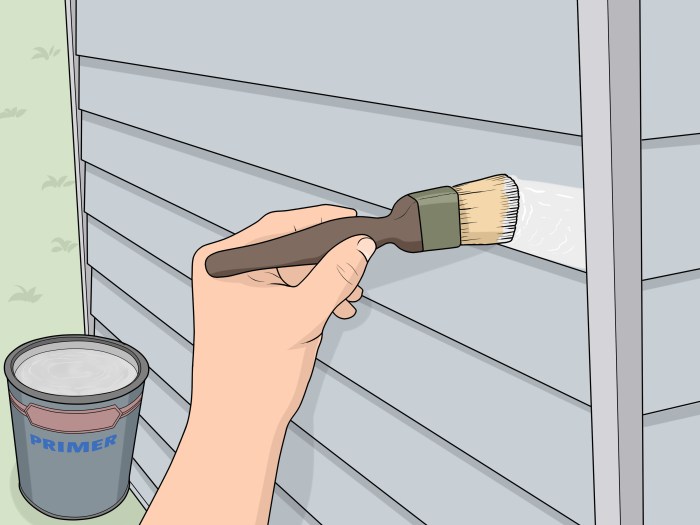
- Primer: Primer is essential to ensure proper adhesion of the patching compound. It creates a smooth, even surface for the compound to bond to, reducing the risk of cracking or peeling over time. Using a suitable primer is crucial for a long-lasting repair. A high-quality primer will penetrate the existing siding effectively and will prevent moisture from affecting the bond.
- Caulk: Caulk is used to fill gaps and seams around the patched area, creating a watertight seal and preventing further damage. Selecting a caulk specifically designed for exterior use is vital for longevity. A quality caulk should provide a flexible seal that won’t crack or crumble over time. The appropriate caulk type will match the siding’s material and the surrounding area’s conditions.
- Fiber Cement Siding (for replacement): In cases of significant damage or large missing sections, replacement material is necessary. Ensure that the replacement siding matches the existing siding in color, texture, and material for a seamless repair. Matching the existing siding is critical to avoid an obvious repair.
Essential Tools for Efficient Repair
The proper tools facilitate a precise and efficient repair process. Choosing the right tools can significantly impact the repair’s quality and longevity. Examples include those designed for measuring, mixing, and applying the materials.
- Measuring tools: A tape measure and a level are essential for accurately determining the dimensions of the damaged area and ensuring a straight and level repair. Accurate measurements ensure a properly sized patch.
- Mixing tools: A mixing container and a putty knife or mixing paddle are required for blending the patching compound to the correct consistency. A good mixing tool will ensure a smooth, even application.
- Application tools: A putty knife or a specialized fiber cement trowel is crucial for applying the patching compound evenly and smoothly. These tools allow for proper shaping and leveling of the repair.
- Cleaning tools: A stiff brush or a scraper is needed for cleaning the damaged area before applying the primer and patching compound. This step is crucial for removing any loose debris or contaminants from the surface.
Materials and Quantities for Different Repair Scopes
The table below Artikels the approximate materials needed for various repair scopes. These quantities are estimates and may vary depending on the size and complexity of the repair.
| Material | Description | Quantity |
|---|---|---|
| Fiber Cement Patching Compound | Exterior-grade patching compound for fiber cement siding | 1-2 tubes/bags depending on size of repair |
| Primer | Exterior-grade primer designed for fiber cement siding | 1-2 cans depending on repair size |
| Caulk | Exterior-grade caulk, appropriate color match | 1-2 tubes depending on repair size and gap/seam |
| Putty Knife | Standard putty knife or specialized fiber cement trowel | 1 |
| Mixing container | Suitable for mixing compound | 1 |
| Mixing paddle or putty knife | For mixing patching compound | 1 |
| Tape measure | For accurate measurements | 1 |
| Level | For ensuring a level repair | 1 |
| Stiff brush or scraper | For cleaning the damaged area | 1 |
Safety Precautions During Repair: Fiber Cement Siding Repair
Fiber cement siding, while durable, presents specific safety concerns during repair. Proper precautions are crucial for preventing injuries and ensuring a safe working environment. Adhering to these safety measures minimizes the risk of accidents and protects both the worker and the property.
Careful consideration of safety protocols is essential throughout the entire repair process. From initial assessment to final cleanup, each step presents potential hazards that need to be mitigated. This section details the safety measures necessary for a secure and injury-free repair process.
Essential Safety Gear
Implementing a comprehensive safety protocol involves utilizing appropriate protective gear. Personal protective equipment (PPE) is paramount in minimizing risks associated with fiber cement siding repair.
- Safety Glasses/Goggles: These protect the eyes from flying debris, dust particles, and potential impacts. Continuous eye protection is vital, particularly when using power tools or during the removal of damaged sections.
- Dust Mask/Respirator: Fiber cement dust can be hazardous to respiratory health. Using a properly fitted dust mask or respirator is essential to prevent inhalation of harmful particles and potential long-term health issues.
- Work Gloves: Protecting hands from sharp edges, abrasive materials, and potential chemical exposure is critical. Thick work gloves offer additional protection against potential injuries.
- Hard Hat: A hard hat safeguards the head from falling debris, tools, or objects during the repair process. This is crucial when working on elevated surfaces or in close proximity to other workers.
- Safety Boots/Shoes: Safety footwear with steel toes protects feet from dropped objects and provides crucial support while working on uneven surfaces or around potential hazards.
Ladder Safety and Handling
Working at heights significantly increases the risk of falls. Strict adherence to ladder safety protocols is essential.
- Proper Ladder Setup: Ladders must be securely placed on stable ground to prevent slipping or tilting. The angle of the ladder should be appropriate for the height being reached. Never overreach while on a ladder.
- Fall Protection: Using fall arrest systems or safety harnesses is recommended when working at heights. Always ensure the harness and any related equipment are in good working order and properly secured.
- Proper Body Positioning: Maintain a balanced posture while on the ladder to prevent slips or falls. Avoid leaning too far or reaching beyond the ladder’s designated working area.
Dust Control Procedures
Fiber cement dust is a significant safety concern. Appropriate dust control measures are vital to prevent respiratory issues and maintain a safe working environment.
- Wetting the Area: Wetting the work area can help reduce the amount of dust generated during the repair process.
- Vacuuming: Using a powerful shop vacuum with a HEPA filter to collect dust is crucial. Regular vacuuming minimizes the amount of airborne dust particles.
- Proper Ventilation: Adequate ventilation is critical in the work area. Opening windows or using fans to improve airflow can significantly reduce the concentration of dust in the air.
Safety Hazard Prevention Table
| Safety Hazard | Prevention |
|---|---|
| Falling from ladders | Use stable, properly-maintained ladders; ensure secure footing; avoid overreaching; use fall protection when working at heights. |
| Sharp edges | Wear appropriate safety gloves; handle materials carefully; use protective sheaths or coverings for sharp edges when necessary. |
| Exposure to dust | Wear a dust mask or respirator; wet down the work area; use a HEPA-filtered vacuum to collect dust; ensure proper ventilation. |
Cost Considerations and Budgeting

Source: ahdavisandson.com
Fiber cement siding repair, like any home improvement project, involves careful budgeting. Understanding the potential costs and factors that influence them is crucial for planning effectively. Accurate cost estimates allow homeowners to prepare financially and avoid unpleasant surprises.
Repair costs vary significantly depending on the extent of damage and the materials used. Factors like labor rates in your area, the complexity of the repair, and the availability of specialized tools can all contribute to the final price. This section details typical cost ranges and important considerations to help you develop a realistic budget.
Typical Cost Ranges
Fiber cement siding repair costs are highly variable, influenced by factors such as the size of the damaged area, the materials used, and the labor involved. A small patch repair might cost between $100 and $500, while a large section replacement could range from $500 to $3,000. Complete siding replacements are more expensive, potentially costing upwards of $10,000 or more, depending on the size of the home and the specific materials.
Factors Influencing Repair Costs
Several factors contribute to the total cost of fiber cement siding repair. The size of the damaged area directly impacts the cost. A small, localized patch is less expensive than replacing a significant portion or the entire siding. The type of material used for the repair is also important. Premium or specialized materials will usually increase the overall cost. Labor costs, which can vary by region and the complexity of the work, are a substantial part of the total expense.
Payment Options
Homeowners have several options for paying for fiber cement siding repair projects. Cash payments are common, and many contractors offer financing options through third-party lenders. Some contractors may also accept checks or credit cards, but this should be confirmed beforehand. Furthermore, some repair contracts might offer payment plans to accommodate various budgets.
Cost Estimates
The following table provides a general overview of estimated costs for different repair scopes. Note that these are estimates and actual costs may vary depending on the specifics of each project.
| Repair Scope | Estimated Cost |
|---|---|
| Small Patch (up to 1 sq ft) | $100 – $500 |
| Large Section Replacement (10-20 sq ft) | $500 – $3,000 |
| Full Siding Replacement (entire house) | $10,000+ |
Preventative Maintenance for Fiber Cement Siding
Fiber cement siding, while durable, requires proactive maintenance to maintain its aesthetic appeal and structural integrity. Proper preventative measures can significantly extend the lifespan of the siding and minimize costly repairs down the road. This proactive approach is essential for homeowners looking to safeguard their investment.
Regular maintenance tasks are crucial for preventing costly repairs. Consistent inspections and prompt addressing of minor issues are key to preserving the siding’s quality and preventing larger problems from arising. This proactive approach is more cost-effective than addressing extensive damage later.
Importance of Regular Inspections
Regular inspections are vital to identifying potential problems early. Early detection allows for timely intervention, preventing minor issues from escalating into significant structural concerns. By consistently monitoring the siding for signs of damage, you can address problems before they compromise the siding’s overall integrity and appearance.
Periodic Maintenance Schedule
A well-defined maintenance schedule ensures that crucial tasks are completed systematically. This proactive approach helps prevent deterioration and extends the lifespan of the fiber cement siding. Following a consistent schedule will reduce the likelihood of extensive repairs and help maintain the siding’s aesthetic appeal.
Maintenance Tasks
- Visual Inspection (Monthly): A monthly visual inspection should cover the entire siding surface. Look for loose or damaged panels, cracks, discoloration, or signs of moisture intrusion. Pay close attention to areas prone to moisture accumulation, such as corners, joints, and areas near gutters.
- Cleaning (Quarterly): Cleaning the siding at least quarterly helps to remove dirt, grime, and mildew. Use a mild detergent and a soft-bristled brush or a pressure washer (if using a pressure washer, ensure to maintain a safe distance and avoid excessive pressure that could damage the siding). Proper cleaning prevents the buildup of contaminants that can accelerate deterioration and discoloration.
- Caulk and Sealant Check (Semi-Annually): Inspect all caulking and sealant around windows, doors, and joints. Replace any deteriorated or cracked sealant to prevent moisture penetration. Regular checks and prompt repairs of caulking issues will prevent water damage and mold growth, extending the life of the siding.
- Gutters and Downspouts Inspection (Bi-Annually): Check the gutters and downspouts to ensure proper water drainage. Blocked gutters can lead to water pooling around the siding, causing moisture damage. Clear any debris and ensure water is directed away from the house’s foundation and siding.
- Panel Integrity Check (Annually): Thoroughly examine all panels for signs of damage. Look for cracks, loose attachments, or any evidence of impact damage. Addressing these issues promptly prevents further deterioration and potential structural problems.
- Professional Assessment (Every 3-5 Years): A professional inspection every 3-5 years can provide a more comprehensive evaluation of the siding’s condition. Professionals can identify underlying issues that might not be apparent during a homeowner’s inspection. This proactive measure allows for early detection and prevents costly repairs in the future.
Conclusion
In conclusion, fiber cement siding repair is a multifaceted process requiring careful consideration of various factors. From identifying the specific damage to selecting the optimal repair method, this guide has provided a comprehensive overview of the essential steps. By understanding the different siding types, common issues, and repair techniques, homeowners can effectively address damage and maintain their property’s value. Prioritizing safety measures and preventative maintenance are crucial for long-term protection and a lasting investment. Armed with this knowledge, you can confidently undertake any fiber cement siding repair project.