Siding Maintenance Tips A Comprehensive Guide
Siding maintenance tips are crucial for protecting your home’s exterior and preserving its value. Different siding materials, from vinyl to wood, require specific care. Understanding the common causes of damage, like weather and pests, is key to preventing costly repairs. This guide offers detailed insights into identifying problems, implementing preventative measures, and performing cleaning and repair tasks, along with advice on when to seek professional help. A comprehensive maintenance schedule is also included, tailored to various siding types, helping you maintain a beautiful and durable home exterior.
This comprehensive guide will equip you with the knowledge and tools necessary to effectively maintain your siding. From understanding the lifespan of different siding materials to the specific cleaning and repair techniques for each, we cover all aspects of siding care. You’ll learn to recognize the early signs of damage and implement proactive measures to prevent further deterioration. This guide is designed to be practical and easy to follow, making siding maintenance a manageable task for homeowners of all levels of experience.
Introduction to Siding Maintenance
Siding, the exterior covering of a home, plays a crucial role in both aesthetics and structural integrity. Its proper maintenance is essential for preserving the home’s value and extending its lifespan. Understanding the various siding materials and their vulnerabilities to damage is key to effective upkeep. Different materials react differently to environmental factors, demanding specific maintenance strategies.
Regular maintenance not only prevents costly repairs but also enhances the longevity of your siding. Prompt attention to minor issues can forestall major problems, ultimately saving you money and stress in the long run. Proper care can extend the life of your siding by years, making it a worthwhile investment in your home’s overall well-being.
Siding Materials Overview
Different siding materials offer varying benefits and require distinct maintenance approaches. Common materials include vinyl, wood, fiber cement, and metal. Vinyl siding is known for its low-maintenance nature and affordability, but can be susceptible to dents and scratches. Wood siding, while visually appealing, requires more frequent treatment and protection from the elements. Fiber cement siding provides a durable and long-lasting option, resisting rot and pests, but may be more expensive than other options. Metal siding, such as aluminum or steel, boasts excellent durability and a long lifespan but can be more prone to rust if not properly maintained.
Importance of Regular Siding Maintenance
Regular maintenance is crucial for preventing damage and extending the life of your siding. Ignoring minor issues can lead to significant problems down the road, increasing repair costs and impacting the overall appearance of your home. Prompt attention to potential problems like loose panels, cracking, or pest infestations can prevent extensive damage and maintain the structural integrity of your home.
Common Causes of Siding Damage
Several factors can contribute to siding damage. Weather-related issues, including extreme temperatures, heavy rain, and strong winds, can cause warping, cracking, or detachment. Pests, such as termites or rodents, can compromise the structural integrity of the siding material. Improper installation can lead to gaps, allowing moisture to penetrate and accelerate deterioration. Furthermore, impact damage from falling debris or objects can cause dents or holes in the siding.
Lifespan of Different Siding Materials
The lifespan of siding varies significantly depending on the material and the level of care and maintenance. The following table provides a general guideline for the expected lifespan of common siding types:
| Siding Material | Estimated Lifespan (Years) |
|---|---|
| Vinyl | 20-30 |
| Wood | 15-25 |
| Fiber Cement | 50-75 |
| Metal | 50+ |
Note: These are estimates and actual lifespan can vary based on factors like climate, maintenance, and installation quality.
Identifying Problems
Proper siding maintenance begins with recognizing potential issues. A proactive approach to identifying problems allows for timely repairs, preventing further damage and costly replacements. Regular visual inspections are key to maintaining the integrity and aesthetic appeal of your home’s siding.
Understanding the signs of damage, coupled with knowledge of your siding type, will enable you to address concerns promptly. This proactive approach not only extends the life of your siding but also safeguards your home’s structural integrity.
Common Signs of Siding Damage
Recognizing the telltale signs of siding damage is crucial for prompt action. These visual cues can range from subtle discoloration to more pronounced structural issues. Early detection is key to preventing extensive damage and associated costs.
- Cracks: Cracks in siding, whether small or large, often indicate underlying stress or structural weakness. These cracks may be caused by impacts, settling, or expansion and contraction from temperature changes.
- Rot: Siding materials susceptible to moisture, such as wood or certain composite materials, can show signs of rot. This is often characterized by soft spots, discoloration, or the presence of mold or mildew. Prompt attention to dampness and moisture issues around the siding is vital.
- Discoloration: Changes in the color or appearance of the siding can be an indicator of damage. Fading, discoloration from mold or mildew, or staining from environmental elements, such as tree sap or algae, all point towards a potential issue requiring inspection.
- Warping: Warped siding panels may indicate moisture issues or uneven expansion and contraction, especially in areas with high temperature fluctuations. This is common in areas with significant seasonal temperature changes.
- Loose or Missing Panels: Loose or missing panels are a clear indication of damage or improper installation. These issues can lead to further deterioration and should be addressed promptly to prevent water intrusion.
Inspecting Different Siding Types
Different siding materials require different inspection methods. Understanding these variations is essential for accurate assessments.
- Vinyl Siding: Check for cracks, discoloration, warping, and loose or missing panels. Look closely for signs of impact damage or damage from the expansion and contraction cycle.
- Wood Siding: Examine for signs of rot, checking for soft spots, discoloration, and insect damage. Ensure that the wood is adequately sealed to prevent moisture absorption.
- Fiber Cement Siding: Inspect for cracks, damage from impact, or discoloration. This type of siding is generally more resistant to rot and insect damage, but impacts can cause issues.
- Metal Siding: Look for dents, scratches, or signs of corrosion. Corrosion, especially in areas exposed to moisture, can lead to structural weakness and require immediate attention.
Damage Categorization
A systematic approach to categorizing damage helps prioritize repairs. This enables homeowners to allocate resources effectively and address the most critical issues first.
| Severity Level | Description | Location Impact |
|---|---|---|
| Minor | Cosmetic issues, minor cracks, or loose panels. | Limited to small areas, not affecting structural integrity. |
| Moderate | Visible damage affecting a significant portion of the siding. | Affects a large portion of the siding, potential for water intrusion. |
| Severe | Extensive damage, compromising the structural integrity of the siding. | Affects the entire structure, requiring immediate attention to prevent further damage. |
Differentiating Normal Weathering from Damage
Distinguishing between normal weathering and significant damage is crucial for effective maintenance. A clear understanding of expected changes can prevent unnecessary repairs.
Normal weathering includes discoloration due to sun exposure, minor surface cracks, and slight warping due to temperature fluctuations.
Significant damage, however, involves structural compromises or substantial deterioration that affects the integrity of the siding. Identifying these differences prevents costly and unnecessary repairs.
Prevention Techniques
Proactive measures are crucial for maintaining the longevity and aesthetic appeal of your siding. By implementing preventative strategies, you can significantly reduce the need for costly repairs and extend the lifespan of your home’s exterior. These techniques encompass a range of approaches, from proper ventilation and drainage to pest control and weatherproofing.
Proper maintenance minimizes the risk of premature siding deterioration. Consistent upkeep not only safeguards your investment but also enhances the overall curb appeal of your property.
Ventilation and Drainage
Adequate ventilation and drainage systems are fundamental to preventing moisture damage. Moisture is a significant culprit in siding deterioration, leading to rot, mold, and mildew. Ensuring proper air circulation around your home’s exterior can prevent the accumulation of moisture, thereby reducing the risk of these issues. Effective drainage channels are essential for directing water away from the foundation and siding, minimizing water penetration.
- Ensure proper roof overhangs: Sufficient roof overhangs are crucial for diverting rainwater away from the siding. Adequate overhangs prevent water from accumulating directly on the siding, lowering the risk of water damage. A good rule of thumb is to have a minimum overhang of 6 inches.
- Maintain gutters and downspouts: Clogged gutters and downspouts can lead to water pooling around the foundation and siding. Regularly clean and inspect gutters and downspouts to ensure proper water drainage. Downspouts should extend at least 4-6 feet away from the foundation to prevent water buildup.
- Install proper flashing: Flashing protects vulnerable areas like roof edges, chimney bases, and around windows and doors from water penetration. Ensure flashing is installed correctly and regularly inspected for damage.
Protecting from Extreme Weather
Extreme weather conditions can inflict considerable damage on siding. Preparation for these events is essential to minimize potential harm. Knowing how to prepare your siding for various weather events is critical to safeguarding your investment.
- Insulation: Proper insulation can reduce temperature fluctuations and prevent moisture buildup, especially in climates with significant temperature swings. Effective insulation can mitigate damage from extreme heat or cold, safeguarding the integrity of your siding.
- Strong bracing: Reinforcements and bracing can help to prevent siding damage from strong winds or hail. Reinforcement can minimize the risk of structural damage caused by extreme weather conditions. Professional assessment can determine appropriate reinforcement methods for your home.
- Storm preparation: Before storms, secure loose objects and debris that could be blown around and damage your siding. This includes loose siding, outdoor furniture, and anything else that could be a projectile.
Pest Control
Pests like woodpeckers, rodents, and insects can cause significant damage to siding materials. Preventing pest infestations is key to protecting your home’s exterior. Different methods are effective against different types of pests.
- Inspect for signs of infestation: Regular inspections for signs of pest activity are crucial. Watch for holes, droppings, or signs of chewing on your siding materials. Early detection is vital for effective pest control.
- Use preventative measures: Use physical barriers like screens to prevent entry, or employ pest-control products (insecticides or repellents) as necessary. The best strategy will depend on the type of pest infestation.
- Professional pest control: In severe cases, a professional pest control service is recommended. Professionals can identify the pest type and apply appropriate treatments.
Sealing Gaps and Cracks
Sealing gaps and cracks is critical for preventing moisture intrusion. Moisture is a leading cause of siding damage. Sealing prevents water and air from entering these openings.
- Regular inspection: Inspect your siding regularly for gaps, cracks, and holes. Regular checks help to detect potential problems early.
- Use appropriate sealant: Select a sealant appropriate for the siding material. Consult your siding material manufacturer’s recommendations for the best sealant type. Ensure that the sealant adheres properly to the surface.
- Caulk or sealant: Apply caulk or sealant to seal any gaps or cracks. This is an essential step in preventing moisture damage to the siding. Regular sealing can extend the lifespan of your siding.
Cleaning and Repair Methods: Siding Maintenance Tips
Maintaining your siding involves more than just an occasional inspection. Regular cleaning and prompt repairs are crucial for preserving its aesthetic appeal and structural integrity. Proper care extends the lifespan of your siding, minimizing the need for costly replacements.
Effective cleaning and repair methods vary depending on the type of siding material. Understanding the specifics of your siding’s composition and the appropriate cleaning solutions will prevent damage and ensure long-term protection. Addressing minor issues promptly can often prevent more extensive and expensive repairs later.
Cleaning Various Siding Types
Different siding materials require distinct cleaning approaches. Knowing the specific needs of your siding type is essential to prevent damage during the cleaning process. This knowledge allows for a more effective and efficient cleaning procedure.
- Vinyl Siding: Vinyl siding is generally easy to clean. A mixture of mild dish soap and water is usually sufficient. For tougher stains, a solution of bleach and water (one part bleach to ten parts water) can be used, but always test in an inconspicuous area first to ensure no discoloration or damage occurs. Avoid harsh chemicals or abrasive scrubbers that could scratch the surface.
- Wood Siding: Wood siding requires a more gentle approach. Use a mixture of mild dish soap and water, or a specialized wood cleaner. Scrub gently with a soft-bristled brush. Avoid excessive water, which can lead to wood rot. Never use bleach or harsh chemicals.
- Fiber Cement Siding: Fiber cement siding is highly durable and resistant to weathering. A simple solution of water and mild dish soap is often adequate. For stubborn stains, a stronger solution of water and a mild detergent can be used. Avoid using harsh chemicals or abrasive cleaners that could scratch the surface. Be mindful of the pressure applied during cleaning.
- Aluminum Siding: Aluminum siding is also relatively easy to clean. Use a solution of mild dish soap and water. For stubborn stains, a stronger solution of water and mild detergent can be employed. A soft-bristled brush can be used, but avoid harsh scrubbing that may damage the finish.
Recommended Cleaning Solutions
The appropriate cleaning solution depends heavily on the siding material. Selecting the correct cleaning agents is critical to prevent damage and maintain the integrity of the siding.
- Vinyl Siding: Mild dish soap and water or a mild detergent and water. A bleach solution (1 part bleach to 10 parts water) can be used for stubborn stains, but test in a hidden area first.
- Wood Siding: Mild dish soap and water or a specialized wood cleaner. Avoid bleach or harsh chemicals.
- Fiber Cement Siding: Mild dish soap and water, or a mild detergent and water. For stubborn stains, a stronger solution of water and mild detergent can be used. Avoid abrasive cleaners.
- Aluminum Siding: Mild dish soap and water, or a mild detergent and water. Avoid harsh chemicals or abrasive materials.
Cleaning Tools and Equipment
The appropriate tools and equipment are essential for effective and safe cleaning. Using the right tools will prevent damage to the siding and ensure a thorough cleaning.
| Siding Type | Cleaning Tools |
|---|---|
| Vinyl, Aluminum | Soft-bristled brush, garden hose, bucket, mild detergent, sponge |
| Wood | Soft-bristled brush, garden hose, bucket, mild detergent, sponge, soft cloth |
| Fiber Cement | Soft-bristled brush, garden hose, bucket, mild detergent, sponge, soft cloth, pressure washer (with caution) |
Minor Repairs
Patching small holes or cracks in siding is a straightforward process. Early detection and prompt action are crucial to prevent the spread of damage.
- Identifying the damage: Assess the extent of the damage. Small holes or cracks can be repaired, while larger ones may require more extensive measures.
- Gathering materials: Obtain appropriate patching materials for the specific siding type. This may include wood filler for wood siding, vinyl cement for vinyl, or patching compound for fiber cement.
- Preparing the area: Clean the affected area thoroughly to remove any debris or loose material.
- Applying the patch: Apply the patching material according to the manufacturer’s instructions. Allow sufficient drying time.
Repairing Damaged or Missing Panels
Damaged or missing siding panels necessitate a more comprehensive repair approach. The specific repair method depends on the type of siding and the extent of the damage.
- Assessing the damage: Determine the exact location and extent of damage to the siding panel. This helps in selecting the appropriate repair method.
- Replacing the panel: If a panel is damaged beyond repair, carefully remove the damaged panel and replace it with a new one that matches the existing siding. Ensure proper alignment and secure the new panel.
Tools and Materials for Siding Repairs
The specific tools and materials needed for siding repairs depend on the type of siding and the nature of the damage.
- Tools: Depending on the siding material, these may include screwdrivers, pliers, utility knife, safety glasses, work gloves.
- Materials: This could include wood filler, caulk, vinyl cement, screws, nails, patching compound, or new siding panels.
Professional Help
Sometimes, siding issues require expertise beyond DIY solutions. Significant damage, complex repairs, or intricate siding types necessitate professional assistance. Ignoring these problems can lead to further damage and increased repair costs in the long run. A qualified contractor can accurately diagnose the problem, provide a tailored solution, and ensure the work is done correctly the first time.
Professional siding contractors possess the specialized tools, knowledge, and experience to handle a wide range of repairs, from minor patching to extensive replacements. They can also assess the structural integrity of your home’s siding, identify underlying issues, and offer preventative measures to avoid future problems.
When Professional Help is Necessary
Significant damage like extensive rot, warping, or large gaps in the siding, or damage caused by severe weather events, calls for professional intervention. Complex repairs, like those involving intricate siding materials or multiple layers of siding, are best handled by experts. If you’re uncertain about the extent of the damage or the appropriate repair method, a professional evaluation is crucial. Furthermore, if the siding is part of a larger structural element of your home, consulting a professional is advisable to ensure safety and prevent further damage.
Finding a Qualified Siding Contractor
Referrals from trusted neighbors, friends, or family members can be a valuable starting point. Online reviews and ratings platforms can provide insights into a contractor’s past performance and client satisfaction. Checking local home improvement directories and contacting local building associations can also help you locate reputable contractors in your area.
Importance of Multiple Bids and Quotes
Obtaining multiple bids and quotes from different contractors is essential for comparing pricing and services. This allows you to evaluate the value proposition and make an informed decision. Different contractors may have different pricing structures and approaches to repairs. Comparing estimates helps you identify potential cost savings and ensure you’re getting the best value for your money.
Factors to Consider When Choosing a Contractor
Consider a contractor’s experience, licensing, insurance, and reputation. Look for a contractor with a proven track record of successful siding projects. A contractor’s experience with your specific siding type can significantly impact the quality of the repair. Ensure the contractor is properly licensed and insured to protect your interests and meet local building codes. Checking for any complaints or negative reviews is a vital step to evaluate the contractor’s integrity.
Questions to Ask a Potential Contractor
- What is your experience with this specific siding material?
- What is your process for assessing the extent of the damage?
- What are the potential risks and complications associated with the repair?
- What is your timeline for completing the work?
- What is your warranty on the work performed?
- Can you provide references from past clients?
- What are your payment terms and methods?
Comparing Contractor Bids and Quotes
A clear comparison of bids and quotes is vital to choosing the best contractor. A table can effectively present this data, allowing you to quickly evaluate different options. Key elements to include in the table are the contractor’s name, the estimated cost of the project, the proposed repair methods, the timeline for completion, and any warranties offered.
| Contractor | Estimated Cost | Repair Methods | Timeline | Warranty |
|---|---|---|---|---|
| ABC Siding | $5,000 | Replacement of damaged sections | 4 weeks | 2 years |
| XYZ Home Improvements | $4,500 | Repair and patching | 3 weeks | 1 year |
| Pro Siding Solutions | $5,500 | Full siding replacement | 6 weeks | 3 years |
Maintaining Different Siding Types
Source: topchoiceroofingandsiding.com
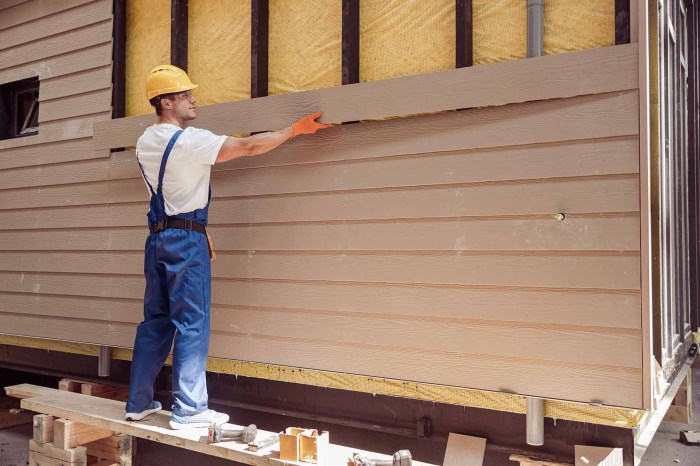
Proper siding maintenance extends the life and aesthetic appeal of your home. Different siding materials have unique needs, and understanding these distinctions is crucial for effective upkeep. This section provides detailed guidance on maintaining vinyl, wood, fiber cement, and metal siding, ensuring your home’s exterior remains in excellent condition.
Vinyl Siding Maintenance
Vinyl siding is a popular choice due to its low-maintenance nature. Regular cleaning is key to preserving its appearance. A simple pressure washing, ideally with a low-pressure setting, can remove dirt and grime buildup. Avoid using harsh chemicals or abrasive tools, as these can damage the siding. Inspect the siding for any signs of damage, such as cracks or gaps, and address them promptly. Regular visual inspections are recommended to identify potential issues early.
Wood Siding Maintenance
Wood siding requires more frequent maintenance than vinyl siding. Regular cleaning is essential to prevent rot and decay. Use a soft-bristled brush and mild detergent solution for cleaning. Be cautious not to damage the wood grain during cleaning. Regular inspections are necessary to detect any signs of insect infestation, rot, or warping. Applying a sealant or wood preservative can significantly extend the lifespan of the wood siding.
Fiber Cement Siding Maintenance
Fiber cement siding is a durable and low-maintenance option. Cleaning this siding is similar to vinyl siding, but avoid using extremely high pressure as it can potentially damage the siding. Visual inspections are crucial to identify any cracks, or gaps in the siding. Addressing these issues early can prevent further damage and costly repairs. Repairing any damage promptly is essential to maintain the integrity of the siding.
Metal Siding Maintenance
Metal siding is known for its durability and longevity. Cleaning with a mild detergent solution and a soft-bristled brush is generally sufficient. Regular checks for rust and loose panels are essential. Any rust spots should be treated promptly with a rust remover. Inspect for any signs of dents or damage, which can compromise the structural integrity of the siding.
Summary Table of Maintenance Steps
| Siding Type | Cleaning | Inspection | Repair |
|---|---|---|---|
| Vinyl | Low-pressure pressure washing with mild detergent | Visual checks for cracks, gaps | Prompt repair of any damage |
| Wood | Soft-bristled brush and mild detergent solution | Inspect for insects, rot, warping | Apply sealant or preservative |
| Fiber Cement | Low-pressure pressure washing with mild detergent | Visual checks for cracks, gaps | Prompt repair of any damage |
| Metal | Mild detergent solution and soft-bristled brush | Inspect for rust, loose panels, dents | Treat rust, secure loose panels, repair dents |
Unique Challenges and Solutions
- Vinyl Siding: Color fading can be a concern, addressed by using UV-resistant paints or sealants, or replacing panels if necessary.
- Wood Siding: Susceptibility to rot and insect damage can be mitigated by using exterior-grade wood, regular inspections, and timely treatments.
- Fiber Cement Siding: While durable, potential issues with water intrusion at seams or joints require regular checks and prompt repairs.
- Metal Siding: Potential for rust is a primary concern. Regular inspection and prompt treatment are crucial for maintaining the siding’s integrity and longevity. Protective coatings can enhance rust resistance.
Siding Maintenance Schedules
Source: surepulse.com
Regular siding maintenance is crucial for preserving its aesthetic appeal and structural integrity. A well-maintained siding system will not only look better but also last longer, reducing the need for costly repairs or replacements. A proactive approach to maintenance minimizes potential damage and ensures your home’s curb appeal remains high.
A tailored maintenance schedule, adjusted for your specific siding type, local weather patterns, and the home’s exposure, is key to effective siding upkeep. This involves understanding the unique characteristics of different siding materials and the impact of environmental factors on their longevity.
Suggested Maintenance Schedules for Various Siding Types
A customized maintenance plan, based on siding type, allows for targeted attention to potential problems. Different siding materials have varying susceptibility to weathering and require different maintenance frequencies. Understanding these differences is paramount for effective upkeep.
- Vinyl Siding: Monthly visual inspections for cracks, discoloration, or loose panels. Quarterly cleaning with mild soap and water. Annual caulking of joints and trim areas. Consider professional cleaning every few years to remove stubborn stains and mildew.
- Wood Siding: Monthly visual inspections for rot, insect damage, or loose nails. Quarterly cleaning with a soft brush and water. Annual application of wood sealant or stain. Consider professional inspection and repair every few years for significant structural issues.
- Fiber Cement Siding: Monthly visual inspections for cracks or damage. Quarterly cleaning with a mild detergent and water. Annual caulking around windows and doors. Professional cleaning and inspection every few years is often sufficient.
- Metal Siding: Monthly visual inspections for dents, rust, or loose fasteners. Quarterly cleaning with a soft brush and water. Annual caulking around trim and openings. Regular checks for corrosion and structural integrity are important, especially for exposed metal panels.
Monthly Maintenance Checklist
Regular visual inspections and simple cleaning tasks can significantly extend the life of your siding. This monthly checklist provides a framework for maintaining your home’s siding effectively.
| Month | Inspection Points | Cleaning Tasks | Other Maintenance |
|---|---|---|---|
| January-March | Check for cracks, loose fasteners, signs of moisture damage, and potential insect infestation. | Gentle cleaning with a soft brush or pressure washer (if safe for your siding type). | Caulk around windows and doors. Inspect gutters and downspouts for proper drainage. |
| April-June | Assess for fading, discoloration, or mold growth. Look for water stains or pooling around the siding. | Repeat cleaning as needed. Pay special attention to areas prone to mold or mildew. | Apply sealant or stain to wood siding (if applicable). Trim overgrown vegetation near the house. |
| July-September | Check for signs of sun damage, especially on vinyl or painted siding. | Deep clean the siding if necessary, or use a power washer if safe. | Inspect flashing and trim for damage. Ensure proper ventilation around the house. |
| October-December | Inspect for potential damage caused by wind or hail. Look for any loose debris. | Thorough cleaning to remove dirt and debris accumulated over the season. | Ensure gutters and downspouts are clear of debris. Seal any gaps or cracks. |
Tracking Maintenance Activities
Maintaining a record of maintenance activities over time provides valuable data for predicting future needs and proactively addressing potential problems.
A comprehensive maintenance log will track the dates of inspections, repairs, and any treatments applied to your siding.
A simple spreadsheet can be used to document these details, including the date, type of maintenance performed, and any observations made.
Adjusting the Schedule Based on Weather Patterns and Local Conditions
Weather conditions and local climate significantly influence the maintenance requirements of your siding.
Adjusting your schedule based on local conditions and weather patterns is important for proactive maintenance. For example, increased rainfall may necessitate more frequent inspections and cleaning of vinyl siding. Heavy snow or high winds may require more frequent checks for structural damage.
Importance of Regular Inspections and Maintenance
Regular inspections and maintenance are vital for preserving the condition of your siding. Prompt identification and resolution of minor issues prevent major problems down the road.
Regular maintenance and inspections minimize costly repairs and replacements, extending the lifespan of your siding system. By addressing issues early, you can avoid the escalating costs associated with neglected maintenance.
Creating a Personalized Maintenance Plan
Developing a personalized maintenance plan allows for tailored attention to your specific siding needs.
A personalized maintenance plan considers your siding type, local climate, and individual circumstances. Consider factors such as the age of your siding, its exposure to the elements, and any unique environmental conditions in your area. This approach ensures a proactive and effective maintenance strategy.
Illustrative Examples
Understanding siding maintenance involves recognizing common issues and their solutions. This section provides practical examples of various siding problems, solutions, and preventative measures. It also demonstrates how different siding materials react to environmental factors and pest infestations.
Siding Damage from Weather
Different siding materials react differently to weather conditions. Wood siding, for instance, is susceptible to rot and warping from prolonged moisture exposure. Vinyl siding, while more resistant to rot, can crack or peel from extreme temperature fluctuations. Metal siding, such as aluminum or steel, can rust or corrode if not properly maintained. Observing how your siding type reacts to the elements is crucial for effective maintenance.
| Siding Type | Weather Condition | Problem | Solution |
|---|---|---|---|
| Wood | Prolonged Moisture | Rotting, warping, splintering | Regular cleaning, sealing, and repair of damaged areas. |
| Vinyl | Extreme Temperature Fluctuation | Cracking, peeling, discoloration | Checking for and repairing cracks, re-sealing, and repainting to maintain appearance. |
| Metal (Aluminum/Steel) | Exposure to Moisture and Salt | Rust, corrosion | Regular cleaning, repainting or powder coating to prevent further damage, and ensuring proper drainage. |
Pest Damage to Siding
Various pests can cause significant damage to siding. Termites, for instance, can tunnel through wood siding, leading to structural weakening and significant repair costs. Woodpeckers may peck holes in wood siding, causing further damage and inviting water intrusion. Identifying pest damage early allows for timely intervention and prevents further deterioration.
- Termite Damage: Look for small, mud-like tunnels on wood siding, often found near the foundation. These tunnels are an early sign of infestation. Advanced infestations will reveal significant wood damage and crumbling siding panels.
- Woodpecker Damage: Observe holes and depressions on wood siding, especially in areas where trees or branches are nearby. The damage may appear as small, pecking holes, or larger gouges, exposing the wood to moisture.
- Insect Infestations (General): Look for small holes or frass (insect waste) accumulation on siding. The presence of many small holes or visible signs of insect activity should trigger immediate inspection and potential treatment.
Visual Cues for Maintenance, Siding maintenance tips
Regular inspections of your siding are vital for identifying potential issues early. Cracks, gaps, or discoloration can indicate underlying problems that need immediate attention. Peeling or loose siding panels are another clear sign of deterioration that requires repair. The presence of mold or mildew suggests moisture issues that need addressing.
- Cracks and Gaps: Visible cracks and gaps in siding panels allow moisture to penetrate and cause further damage. These areas should be repaired to prevent deterioration.
- Peeling or Loose Siding Panels: Loose or peeling siding panels are a clear indication of structural weakness or damage. Replacing these panels promptly prevents further damage and maintains the integrity of the siding.
- Discoloration and Mold/Mildew: Changes in siding color, especially the appearance of mold or mildew, indicate moisture issues. Addressing these issues prevents further damage and structural problems.
Cleaning Techniques
Different siding materials require different cleaning techniques. Pressure washing, for example, is often effective for vinyl or metal siding, but can damage wood or fiber cement siding. For wood siding, a soft brush and mild detergent solution are more suitable. A thorough understanding of the cleaning methods appropriate for your siding type is essential to maintain its aesthetic appeal and prevent further damage.
- Pressure Washing: Use a low-pressure setting for vinyl or metal siding. Always test in an inconspicuous area first to avoid damage. Ensure proper water runoff to prevent water damage.
- Soft Brush and Detergent Solution: Use a soft brush and a solution of mild detergent and water for wood siding. Avoid harsh chemicals or abrasive cleaners. Rinse thoroughly to prevent residue buildup.
- Specialized Cleaning Agents: For specific siding types, consider using specialized cleaning agents. Consult with a professional or manufacturer’s instructions to determine the best approach for your siding material.
Ending Remarks
In conclusion, maintaining your siding is an essential aspect of homeownership. By understanding the unique needs of different siding types, proactively addressing potential issues, and implementing a well-structured maintenance plan, you can significantly extend the lifespan of your siding and safeguard your home’s investment. Remember to prioritize regular inspections, prompt repairs, and proactive preventative measures. With this comprehensive guide, you are well-equipped to maintain a beautiful and durable exterior for years to come.