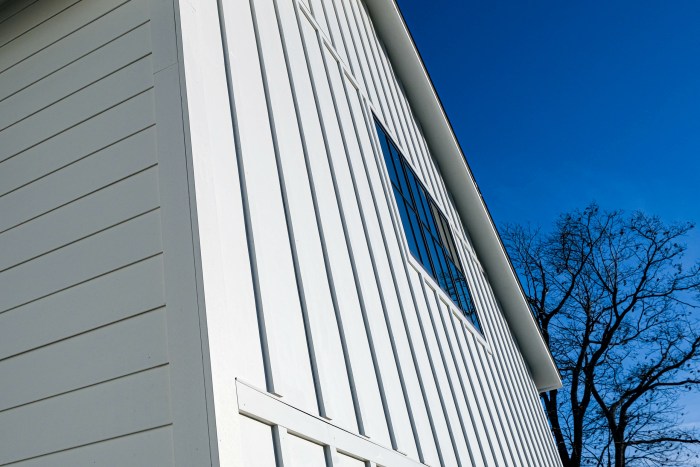
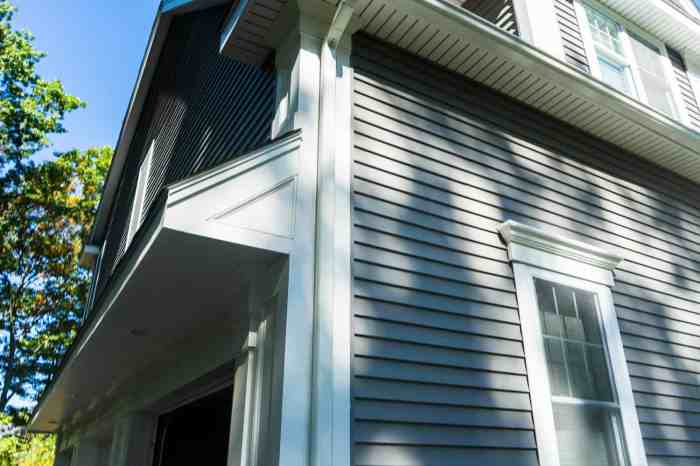
Siding Material Cost Comparisons A Comprehensive Guide
Siding material cost comparisons are crucial for homeowners. This guide explores the various types of siding materials, their associated costs, and the factors influencing those prices. From initial material and installation costs to long-term maintenance, we’ll delve into the total cost of ownership for different options.
We’ll examine common materials like vinyl, wood, fiber cement, and metal, comparing their durability, maintenance requirements, and aesthetic appeal. Understanding the key cost drivers, including labor, regional variations, and quality levels, is vital to making an informed decision. The detailed cost breakdowns and comparisons presented will equip you with the necessary tools to choose the best siding option for your needs.
Introduction to Siding Materials
Source: homedit.com
Exterior siding plays a crucial role in the overall aesthetic appeal and structural integrity of a home. Choosing the right siding material is a significant decision, impacting both the initial cost and the long-term maintenance requirements. Different materials offer varying levels of durability, maintenance needs, and aesthetic options, influencing the homeowner’s experience.
Understanding the characteristics of common siding materials allows homeowners to make informed decisions aligned with their specific needs and preferences. This section explores the diverse range of siding options, providing insights into their respective strengths and weaknesses.
Common Siding Materials
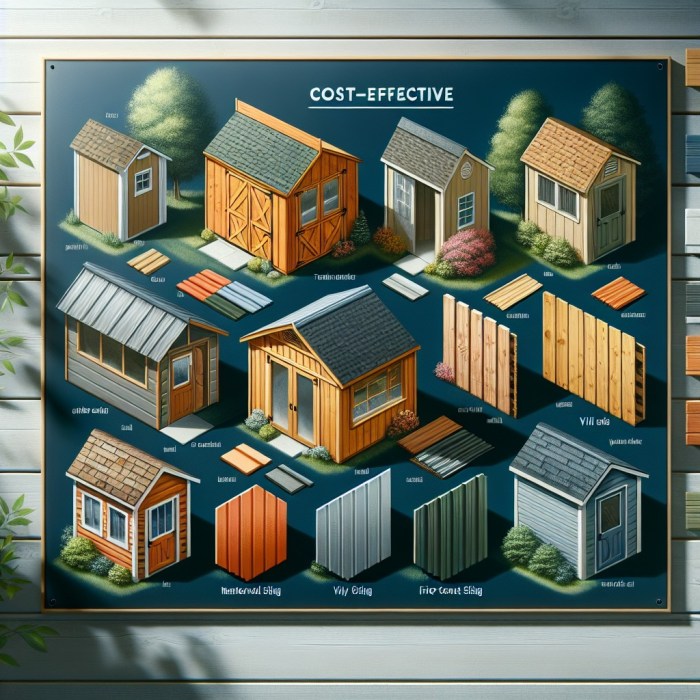
A wide array of materials are available for exterior siding, each with unique attributes. The most prevalent choices include vinyl, wood, fiber cement, and metal. These options cater to diverse preferences in terms of appearance, budget, and maintenance demands.
Vinyl Siding
Vinyl siding is a popular choice due to its affordability and low-maintenance nature. Its durability is largely influenced by the quality of the vinyl itself and the manufacturing process. Proper installation is critical to ensure longevity and prevent issues like warping or cracking. Vinyl siding comes in a wide array of colors and styles, offering homeowners flexibility in achieving their desired aesthetic.
Wood Siding
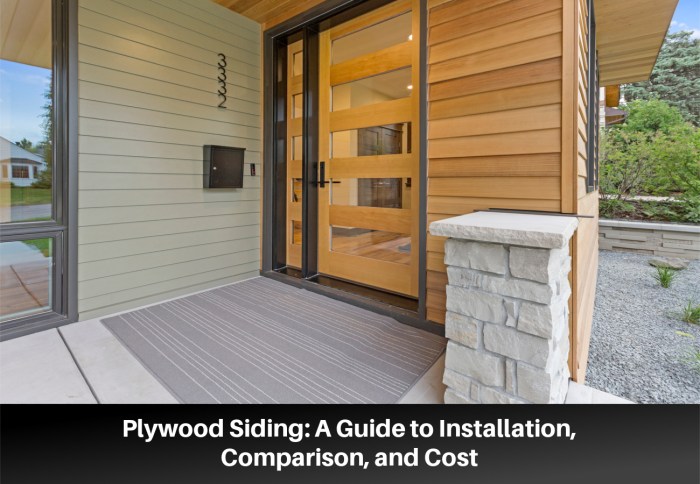
Wood siding provides a classic and natural aesthetic, enhancing the home’s charm. However, wood siding requires more maintenance than vinyl, including regular cleaning, sealing, and potentially repainting or staining to protect it from moisture and decay. The beauty of wood siding is its ability to add warmth and character to a home’s exterior. Proper treatment and upkeep are crucial to maintain its longevity and visual appeal.
Fiber Cement Siding
Fiber cement siding combines the strength of cement with the aesthetic versatility of wood. It is a durable material, resistant to rot, insects, and fire. However, its weight and installation complexity may contribute to higher initial costs. The maintenance requirements are generally lower compared to wood siding, making it a balanced option. Fiber cement siding offers a contemporary appearance and long-lasting durability.
Metal Siding
Metal siding, such as steel or aluminum, offers exceptional durability and longevity. Its resistance to dents and damage makes it a robust option for harsh climates. Metal siding typically requires minimal maintenance, but the initial cost can be higher than other options. Different metal types and finishes provide a variety of aesthetic choices.
Comparison Table of Siding Materials
| Siding Material | Durability | Maintenance | Aesthetics |
|---|---|---|---|
| Vinyl | Good, if properly installed; prone to damage with impact | Low; requires occasional cleaning | Wide range of colors and styles; can mimic wood or other natural materials |
| Wood | Good, if properly maintained; susceptible to rot and decay | High; requires regular sealing, staining, or painting | Classic and natural look; adds warmth and character |
| Fiber Cement | Excellent; resistant to rot, insects, and fire | Low; requires occasional cleaning | Modern and versatile appearance; can mimic wood or other natural materials |
| Metal | Excellent; highly resistant to damage | Very low; requires minimal maintenance | Contemporary and sleek appearance; various colors and finishes available |
Cost Factors Affecting Siding Material Prices
Source: homedit.com
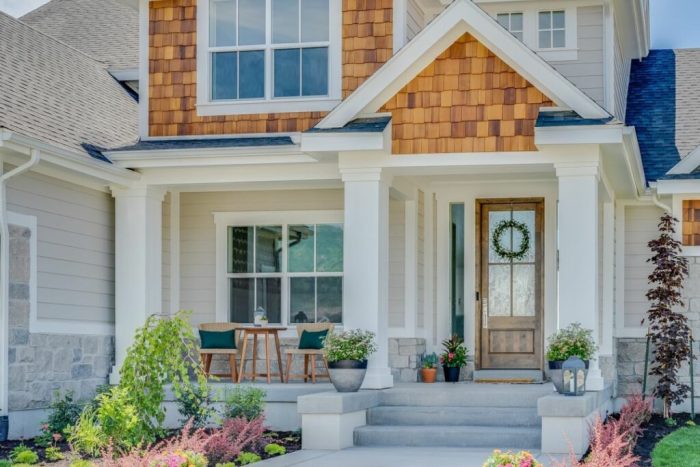
Understanding the costs associated with different siding materials is crucial for homeowners planning renovations or new construction. This section delves into the key cost drivers, highlighting variations in material and labor expenses, regional impacts, and quality considerations. Careful evaluation of these factors will aid in making informed decisions regarding the most cost-effective siding option.
Material Cost Drivers
Various factors influence the cost of siding materials. These factors include raw material prices, manufacturing processes, and supply chain complexities. Fluctuations in these areas can significantly impact the final cost. For instance, rising lumber costs can increase the price of wood siding, while increased demand for vinyl production can drive up vinyl siding costs.
Installation Labor Costs
Installation labor costs play a significant role in the overall project budget. Labor costs vary depending on the complexity of the installation, the experience of the contractor, and regional labor rates. Installation methods also influence labor costs; for example, a more complex installation like using specialized fasteners for a specific material type may result in higher labor costs. Experienced installers and those using advanced tools and techniques may also have higher hourly rates.
Regional Cost Variations
Regional differences significantly impact siding material prices. Material costs can fluctuate based on factors like transportation costs, availability of raw materials, and local demand. Labor rates also differ regionally, with higher labor costs in areas with a higher cost of living. For example, siding materials in coastal regions might be more expensive due to shipping costs. Likewise, areas with a shortage of skilled labor might command higher installation rates.
Quality and Feature-Based Cost Differences
The quality of siding materials and the included features directly influence the cost. Higher-quality materials often have enhanced durability, performance, and aesthetics, leading to a higher price tag. Features such as upgraded insulation, weather resistance, or unique design elements will increase the cost of the siding material. For example, premium vinyl siding with enhanced UV protection or wood siding with a specific finish may command a higher price than standard options.
Installation Method Cost Comparisons
Different installation methods for the same siding material can lead to variations in costs. The choice of installation methods impacts labor requirements and material usage. For example, a more complex installation method might require more specialized tools or techniques, leading to higher labor costs.
Cost Comparison Table
| Siding Material | Material Cost | Installation Cost | Total Estimated Cost |
|---|---|---|---|
| Vinyl | $5-$15 per square foot (depending on quality and features) | $5-$10 per square foot (depending on complexity and labor rates) | $10-$25 per square foot |
| Wood | $8-$20 per square foot (depending on wood type and finish) | $6-$12 per square foot (depending on complexity and labor rates) | $14-$32 per square foot |
| Fiber Cement | $10-$25 per square foot (depending on thickness and features) | $6-$15 per square foot (depending on complexity and labor rates) | $16-$40 per square foot |
| Metal | $10-$30 per square foot (depending on type and finish) | $8-$20 per square foot (depending on complexity and labor rates) | $18-$50 per square foot |
Note: These are estimated costs and can vary significantly based on specific project requirements, local market conditions, and material choices.
Estimating Siding Material Costs
Accurately estimating siding material costs is crucial for planning and budgeting home improvement projects. Understanding the factors influencing prices, coupled with a methodical approach to calculating quantities and labor, ensures realistic projections. This section details the steps involved in creating precise estimates for various project sizes and types of homes.
Estimating siding material costs involves a meticulous process that combines material pricing with labor considerations. This requires a clear understanding of the home’s specifications, the type of siding being installed, and the anticipated labor requirements.
Steps for Estimating Siding Material Costs
A structured approach ensures accuracy in cost estimation. Begin by gathering comprehensive information about the project, including the dimensions of the exterior walls and the desired siding type. This initial step establishes the foundation for accurate material calculations.
- Gathering Project Details: Thoroughly document the home’s exterior dimensions, including the linear footage of each wall needing siding. Include measurements of complex areas like gables, dormers, and bay windows. Record the type of siding being considered (e.g., vinyl, fiber cement, wood). This detailed record is fundamental to accurate material quantity estimations.
- Determining Material Quantities: Calculate the total square footage of siding required for the project. This calculation is critical and should include factors such as overlaps, waste, and any special cuts. Using readily available online calculators or consulting with a siding contractor can streamline this process. For example, a 2000 square foot house with a standard siding overlap might need approximately 2500 square feet of material to account for waste and cuts.
- Obtaining Material Pricing: Gather current pricing for the chosen siding material from multiple suppliers. Compare prices, delivery times, and warranty information. Note that pricing can vary significantly based on supplier location and the specific material grade. For instance, a premium-grade vinyl siding may cost more than a standard grade, while a locally sourced fiber cement option might be less expensive than a nationally sourced alternative.
- Estimating Labor Costs: Determine the labor requirements for the project, including the time needed for installation. Factors such as the complexity of the house’s design, the condition of the existing siding, and the siding type influence the labor estimate. A professional contractor can offer a detailed labor estimate based on the project specifics. For a simple, straightforward project, labor costs might account for 20-30% of the total project cost.
- Calculating Total Costs: Sum the costs of materials and labor to arrive at a comprehensive estimate for the project. Include potential contingency funds to account for unforeseen circumstances, such as material shortages or delays. This ensures a realistic budget that covers all aspects of the siding installation project.
Sample Cost Estimates
Examples of cost estimates for various project sizes and home types demonstrate the practicality of the estimation process.
| Project Size | Siding Type | Estimated Material Cost | Estimated Labor Cost | Estimated Total Cost |
|---|---|---|---|---|
| Small (1,000 sq ft) | Vinyl | $2,500 | $1,500 | $4,000 |
| Medium (1,500 sq ft) | Fiber Cement | $4,000 | $2,000 | $6,000 |
| Large (2,000 sq ft) | Wood | $6,000 | $3,000 | $9,000 |
Sample Project Detail Form
A structured form simplifies the data collection process, ensuring accuracy in estimating siding costs.
- Home Address: [Address]
- Home Size (sq ft): [Size]
- Siding Type: [Type]
- Material Quantity Estimate: [Quantity]
- Estimated Labor Hours: [Hours]
- Labor Rate: [Rate]
- Additional Notes: [Any special requirements]
Comparing Siding Material Costs
A crucial step in any home improvement project is evaluating the long-term cost of different siding options. Beyond the initial purchase price, factors like maintenance, repairs, and potential resale value contribute significantly to the total cost of ownership. This section delves into a detailed comparison of various siding materials, considering both upfront expenses and long-term implications.
Cost Comparison of Siding Materials
Different siding materials vary considerably in their initial cost, durability, and maintenance needs. Understanding these differences is vital for making an informed decision. This comparison will analyze vinyl, wood, fiber cement, and metal siding, highlighting their unique characteristics and associated costs.
Initial Material Costs, Siding material cost comparisons
The initial cost of siding is heavily influenced by material type, labor costs, and the size of the project. Vinyl siding is typically the most affordable option, followed by fiber cement and then wood. Metal siding tends to be the most expensive initially. However, these initial costs must be considered alongside the long-term costs of maintenance and repairs.
Maintenance and Repair Costs
While vinyl siding is known for its low maintenance, other options require more upkeep. Wood siding, for example, demands regular sealing and painting to prevent rot and insect damage. Fiber cement siding is relatively low-maintenance but can be more expensive to repair if damaged. Metal siding, while durable, may require specialized repairs and replacement.
Calculating Total Cost of Ownership
To accurately compare siding materials, one must calculate the total cost of ownership (TCO). This involves adding the initial cost to the estimated maintenance and repair costs over a specified timeframe, usually 10-20 years. The formula for TCO is:
TCO = Initial Cost + (Maintenance Costs * Number of Years)
Applying this formula will allow a clear comparison of the long-term financial commitment of each siding option.
Total Cost of Ownership Estimates
Consider the following example estimates for a 1,500 square foot house, based on average material and labor costs in a typical region. These figures are estimates and can vary significantly based on specific circumstances.
Example Total Cost Estimates (10-year TCO)
| Siding Material | Initial Cost | Maintenance Cost (10 years) | Total Cost of Ownership (10 years) |
|---|---|---|---|
| Vinyl | $5,000 | $1,000 | $6,000 |
| Wood | $7,500 | $2,500 | $10,000 |
| Fiber Cement | $8,000 | $500 | $8,500 |
| Metal | $10,000 | $200 | $10,200 |
These figures illustrate the substantial difference in long-term costs, even with relatively close initial costs. As mentioned earlier, specific circumstances, like local material prices and labor rates, will affect the actual figures. These estimates are just guidelines to help in the comparison process.
Factors Influencing Siding Cost Decisions
Choosing the right siding material involves more than just cost. A multitude of factors, including aesthetic preferences, design considerations, and energy efficiency, play crucial roles in the final decision. Understanding these elements allows homeowners to make informed choices that align with their specific needs and long-term goals.
Beyond the initial price tag, homeowners should carefully evaluate the long-term implications of their siding choices. Factors like maintenance requirements, potential for future value appreciation, and the impact on the overall curb appeal of the home should all be considered. A comprehensive approach that balances cost, aesthetics, and functionality will lead to a more satisfying and valuable investment.
Aesthetic Preferences and Design Considerations
Aesthetic preferences significantly influence siding cost decisions. Different siding materials offer diverse visual appeals, from the classic elegance of wood to the modern sophistication of vinyl. The architectural style of the home plays a vital role in selecting the most suitable siding material. For example, a craftsman-style home might benefit from the warmth of wood siding, while a contemporary structure could embrace the sleekness of fiber cement.
Design Elements Affecting Cost
Design elements can substantially affect siding costs. Complex architectural features, intricate trims, and custom-designed patterns often require specialized installation techniques, increasing labor costs. For instance, installing siding on a home with a steeply pitched roof or multiple gables will be more labor-intensive than a simple, flat-roofed design, leading to higher material and labor expenses.
Energy Efficiency and Siding Material Costs
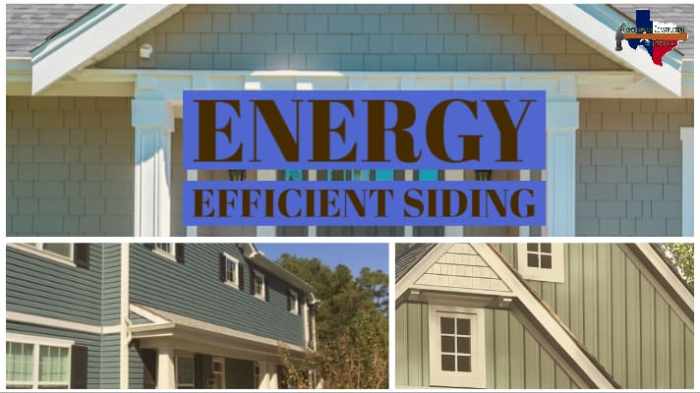
Energy efficiency is a critical consideration when choosing siding. Insulated siding materials can significantly reduce energy consumption, potentially leading to long-term savings on heating and cooling bills. The R-value of the siding, a measure of its insulating capacity, influences its impact on energy efficiency and, consequently, its cost. Higher R-value siding, while often more expensive initially, can offer substantial energy savings over time.
Case Studies: Cost-Benefit Analyses for Different Siding Options
| Siding Material | Initial Cost | Energy Efficiency Impact | Maintenance Requirements | Long-Term Cost Analysis |
|---|---|---|---|---|
| Vinyl | Generally moderate | Good insulation properties, but varies by product | Low maintenance, durable | Lower long-term costs due to minimal maintenance |
| Fiber Cement | Typically higher | Excellent insulation properties, often exceeding vinyl | Low maintenance, very durable | High initial cost, but potentially lower long-term costs due to durability and energy savings |
| Wood | Can vary greatly depending on species and finishing | Good insulation properties, but lower than fiber cement or vinyl | Higher maintenance, needs regular sealing and refinishing | High initial cost, higher long-term costs due to ongoing maintenance and potential for rot or insect damage |
A homeowner in a colder climate, for example, might find that the higher initial cost of fiber cement siding is offset by significant energy savings over time, leading to a positive cost-benefit ratio. Conversely, a homeowner in a warmer climate might find vinyl siding, with its lower initial cost and ease of maintenance, a more suitable choice.
Outcome Summary: Siding Material Cost Comparisons
Source: homedit.com
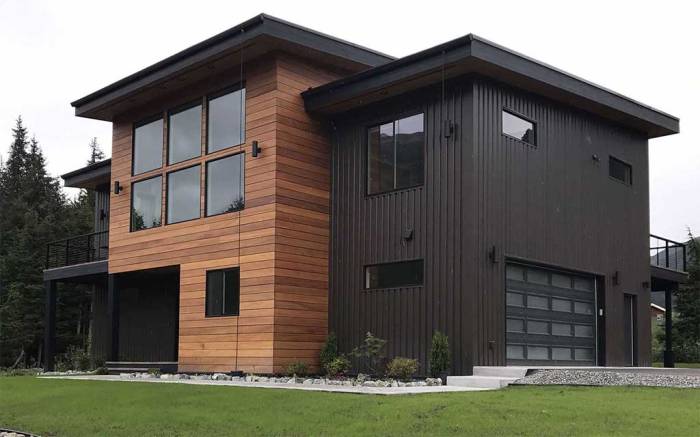
In conclusion, careful consideration of siding material cost comparisons is essential for any home improvement project. This comprehensive guide has illuminated the various factors influencing pricing, from material costs to installation methods. By understanding the initial costs, maintenance implications, and long-term total cost of ownership, you can confidently select the siding material that aligns with your budget and preferences. Ultimately, the decision should balance initial investment with the overall value and longevity of your choice.