Emergency Siding Repair A Comprehensive Guide
Emergency siding repair is crucial after storms or other incidents. This guide comprehensively covers various aspects, from understanding damage types and assessment to repair procedures, professional vs. DIY options, preventative measures, and essential resources.
Different siding materials react differently to damage, and the repair timeline and costs vary accordingly. This guide also provides a detailed look at the process of assessing damage, from visual inspection to documenting the extent of the problem, including potential underlying issues. Safety is paramount, so securing damaged siding and choosing the appropriate temporary repairs are key components of this guide.
Understanding Emergency Siding Repair Needs
Emergency siding repair is crucial for protecting your home’s structural integrity and aesthetic appeal, especially after severe weather events. Prompt action can prevent further damage and costly repairs down the line. This section details various siding materials, common damage triggers, and the associated repair processes.
Siding materials are diverse, each with unique vulnerabilities and repair requirements. Understanding these differences is essential for effective emergency response. From vinyl to wood, each material presents different challenges and solutions.
Siding Materials Susceptible to Emergency Repair
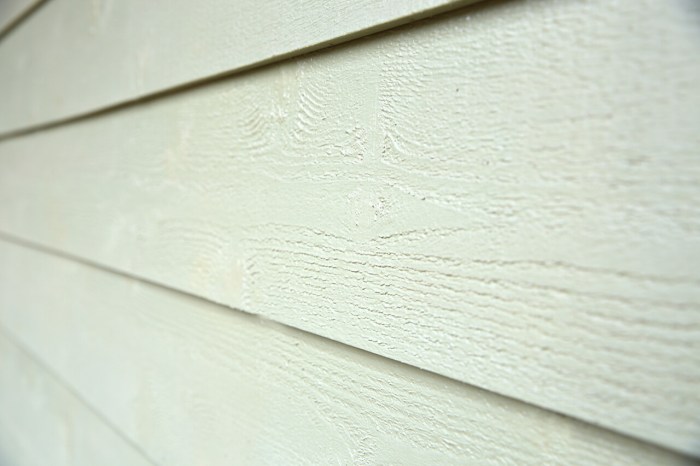
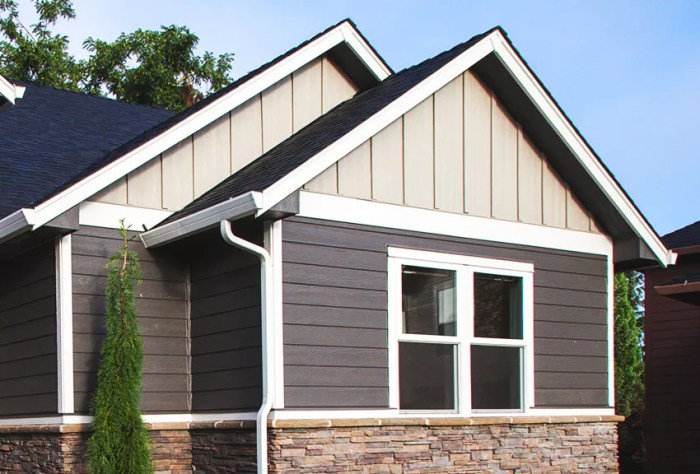
Different siding materials react differently to damage. Vinyl siding, for example, is relatively resilient to minor impacts but can crack or warp with significant force. Wood siding, while attractive, is more susceptible to rot and insect infestation, leading to the need for emergency repair. Fiber cement siding, known for its durability, can withstand significant impact, but large hail or high-velocity debris can still cause damage. Metal siding, often seen in modern homes, is generally strong, but dents or punctures can occur, requiring repair.
Common Causes of Emergency Siding Damage
Severe weather events, including high winds, hailstorms, and tornadoes, are frequent culprits in emergency siding damage. Falling debris from trees or other structures can also lead to damage. Vehicle impacts, while less frequent, can result in large-scale damage to siding. These factors, combined with the specific material, dictate the necessary repair approach.
Examples of Emergency Siding Damage
Common forms of emergency siding damage include cracks, holes, missing panels, and warping. Cracks can range from hairline fissures to significant breaks, while holes may vary in size and depth. Missing panels, especially in large numbers, often indicate a structural issue that requires immediate attention. Warping, often seen in vinyl siding, can distort the appearance and create entry points for moisture. Understanding the nature of the damage is crucial for assessing the extent of the repair work needed.
Repair Timelines for Various Siding Materials
| Siding Material | Estimated Repair Timeline (days) |
|---|---|
| Vinyl | 3-5 |
| Wood | 5-7 |
| Fiber Cement | 4-6 |
| Metal | 2-4 |
*Note:* These timelines are estimations and can vary based on the extent of the damage and the complexity of the repair. Factors like availability of materials and labor can also affect the duration.
Potential Cost Factors for Emergency Siding Repairs
| Damage Type | Potential Cost Factors |
|---|---|
| Minor Cracks | Material cost, labor cost, and time spent on assessment |
| Significant Holes | Material cost, labor cost, and potential need for additional structural support |
| Missing Panels | Material cost, labor cost, and cost of labor to assess the structural damage and potential additional costs associated with structural repair |
| Warping | Material cost, labor cost, and potential need for replacement of the entire siding section |
The cost of emergency siding repairs depends on the extent of the damage and the complexity of the repair. Factors like material cost, labor rates, and the need for additional structural work will influence the total expenditure. For example, replacing a significant portion of damaged wood siding will be more expensive than simply repairing a few cracked vinyl panels.
Assessing the Damage
Source: avatarhandy.com
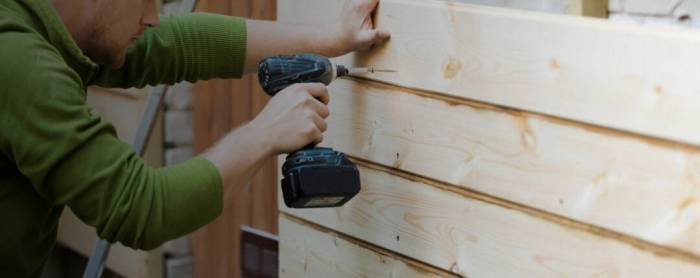
A thorough assessment of siding damage is crucial for effective and efficient emergency repair. A proper inspection identifies the extent of the problem, allowing for accurate cost estimations and prioritization of necessary repairs. This helps ensure that the repair process is well-managed and addresses the core issues effectively.
A detailed visual inspection is the first step in understanding the extent of siding damage. This involves carefully evaluating the affected area to identify patterns, types, and degrees of damage. This preliminary assessment helps in developing an accurate plan of action.
Visual Assessment of Damage
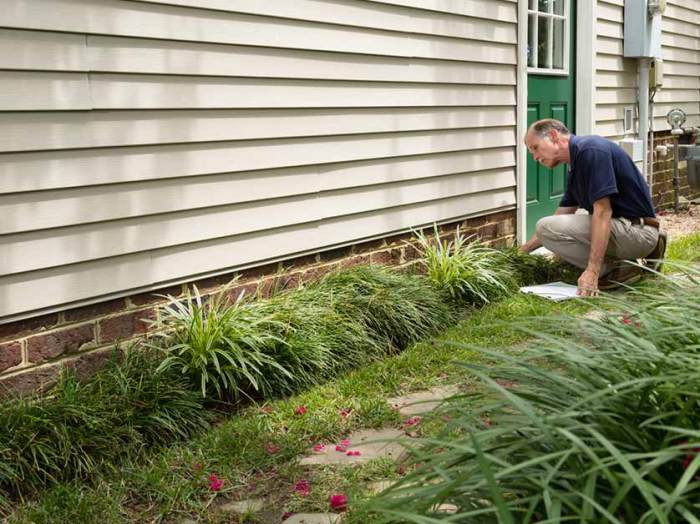
A methodical approach to visual inspection is vital for accurate damage assessment. Inspect the siding for cracks, holes, missing sections, or signs of water damage. Note the location and size of each affected area. Observe the severity of any discoloration or warping, and record any signs of rot or insect infestation. Pay close attention to the material of the siding, as different materials react differently to damage.
Documenting the Extent of Damage
Accurate documentation of the damage is essential for effective communication with contractors and for creating repair proposals. Photographs and detailed written descriptions should be used to record the damage. Photos should capture the location, size, and nature of the damage. Include close-ups to highlight critical details. A detailed written report should supplement the photographs, noting the exact location of the damage, the type and extent of the damage, and any noticeable patterns.
Identifying Underlying Issues
Beyond the visible damage, there may be underlying issues requiring attention. Potential issues include:
- Moisture Intrusion: Check for signs of water penetration behind the siding, such as discoloration, mold growth, or a musty odor. This could indicate a larger problem with the roof or exterior structure.
- Structural Damage: Inspect the framing and supporting structures beneath the siding. Look for signs of bowing, sagging, or other structural anomalies that could compromise the integrity of the building. Significant structural damage may necessitate a more comprehensive assessment.
- Pest Infestation: Examine the siding for signs of pest activity, such as holes, droppings, or signs of tunneling. This can lead to further damage if not addressed.
- Flashing Issues: Evaluate the condition of flashing around windows, doors, and other penetrations. Damaged flashing can lead to water damage, which can extend beyond the immediate area of the flashing.
Categorizing Damage Severity
Categorizing damage by severity helps prioritize repairs and manage expectations. A simple, yet effective system is to use a scale.
| Category | Description | Repair Priority |
|---|---|---|
| Minor | Limited damage, localized to small areas, and does not affect the overall structural integrity. | Low |
| Moderate | Damage is more extensive, affecting multiple areas, but the structural integrity remains intact. | Medium |
| Severe | Significant damage affecting a large area, potentially compromising the structural integrity. | High |
A severe case of siding damage, for example, a large section of missing siding caused by a storm, requires immediate action to prevent further damage and ensure the structural integrity of the building. Conversely, minor damage, such as a few loose or cracked shingles, can be addressed at a later date.
Emergency Repair Procedures
Addressing damaged siding swiftly is crucial for preventing further deterioration and maintaining the structural integrity of your home. Prompt action minimizes the risk of water damage, pest infestations, and escalating repair costs. This section details the essential steps for securing damaged siding and performing temporary repairs until a permanent solution can be implemented.
Securing Damaged Siding for Immediate Safety
Ensuring the immediate safety of your home and property is paramount. Damaged siding can pose a risk of falling debris, leading to injury or property damage. Therefore, prioritizing the stabilization of compromised sections is crucial. This involves assessing the extent of damage and taking steps to prevent further deterioration. Using appropriate safety gear is vital, including work gloves, safety glasses, and a hard hat.
Tools and Equipment for Emergency Siding Repair
Essential tools for emergency siding repair include sturdy work gloves, safety glasses, and a hard hat. A pry bar or a claw hammer can be used to remove loose or detached siding panels. A measuring tape and pencil are vital for accurately marking the repair area. A utility knife can be helpful for trimming damaged sections. A ladder should be used to safely access areas requiring repairs above ground level. Additional tools such as a drill, screws, and appropriate fasteners might be necessary depending on the extent of the damage.
Temporary Repairs for Damaged Siding
Temporary repairs are often necessary to prevent further damage and address immediate safety concerns. These repairs provide a stopgap measure until permanent repairs can be undertaken. Temporary repairs typically involve securing loose or damaged sections of siding to prevent further deterioration and protect the house from the elements. They can range from simple caulking to more complex bracing methods, depending on the severity of the damage.
Steps for Fixing Minor Emergency Siding Damage
1. Assessment: Carefully evaluate the extent of the damage. Note any loose or detached panels, gaps, or cracks. Document the location and severity of the damage for later reference.
2. Safety Precautions: Put on safety glasses and work gloves. Use caution when working at heights. Ensure the area is clear of obstructions.
3. Securing Loose Panels: Use a pry bar or hammer to carefully remove loose or detached panels. Be mindful of the underlying structure to avoid further damage.
4. Temporary Repairs: Apply appropriate caulk to fill gaps and cracks. Use strong adhesive-backed plastic sheeting to cover exposed areas if necessary.
5. Bracing: Implement temporary bracing to support damaged areas and prevent further movement. This could involve using wood planks, metal brackets, or other sturdy materials.
6. Documentation: Document the temporary repairs with photographs or notes.
Methods for Temporary Bracing of Damaged Areas
Temporary bracing is crucial for securing damaged areas and preventing further structural compromise. The most suitable method depends on the type and extent of the damage. Several options include:
- Wood Planks: Using sturdy wood planks, strategically placed and secured with nails or screws, can effectively support damaged areas. Ensure proper support for the plank and that it doesn’t put undue stress on the siding or other structural components. Consider using wood shims to create a level support surface.
- Metal Brackets: Metal brackets offer a robust and secure bracing option. They are readily available in various sizes and shapes, and can be fastened to the siding and underlying structure.
- Plywood: Using plywood to reinforce or cover severely damaged sections provides an effective temporary solution. Ensure the plywood is properly supported and secured to prevent movement. Carefully consider the weight the plywood will support.
- Rope or Cable Ties: In cases of minor damage, rope or cable ties can be used to temporarily secure loose panels or support damaged areas. Choose rope or cable ties appropriate for the weight they will support.
Professional vs. DIY Repair
Source: carolinaexteriorsplus.com
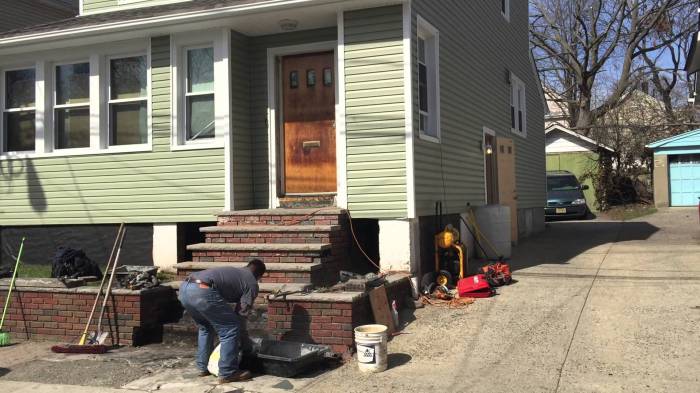
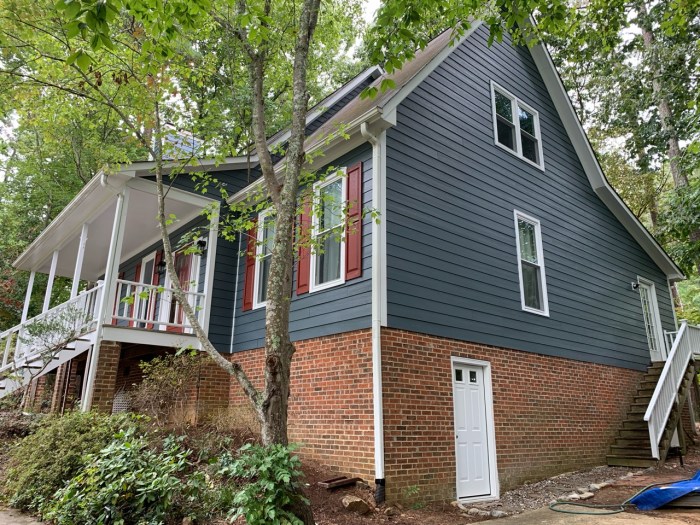
Deciding whether to tackle emergency siding repairs yourself or hire a professional is a crucial step in minimizing damage and ensuring the safety and longevity of your home. Weighing the potential benefits and drawbacks of each approach is essential for making an informed decision. DIY repairs can save money, but they also come with inherent risks that could lead to further problems.
Choosing the right course of action depends on several factors, including the extent of the damage, your own skillset, and the available time. A professional contractor possesses the necessary expertise, tools, and experience to handle the job effectively, minimizing the chance of complications and maximizing the longevity of the repair.
Comparing DIY and Professional Repairs
A crucial consideration is the potential for errors in DIY repairs. Improper installation techniques can lead to further damage or compromise the structural integrity of the siding. This could ultimately result in more costly repairs down the line. Conversely, professional contractors employ established techniques and use high-quality materials, ensuring a durable and long-lasting repair.
Potential Risks of DIY Repairs
Attempting DIY emergency siding repairs carries inherent risks. Inadequate knowledge of proper installation techniques can lead to improper sealing, increasing vulnerability to water damage and potentially compromising the structural integrity of the siding. Furthermore, using the wrong materials or tools can exacerbate the damage and necessitate more extensive and costly repairs in the future. Improperly secured repairs may not stand up to weather conditions, resulting in more extensive damage and needing further repair work.
Importance of Licensed Contractors
Licensed contractors are essential for emergency siding repair. Their licensing signifies that they meet established industry standards and have undergone the necessary training and experience. Working with a licensed contractor ensures adherence to building codes, guaranteeing that the repair meets safety regulations and will stand the test of time. This protects both the homeowner and the contractor, in case of any issues that arise later.
Situations Requiring Professional Repair
Certain situations necessitate professional emergency siding repair. Extensive damage, involving multiple panels or significant structural compromises, is best left to trained professionals. Complex repairs, requiring specialized tools or materials, are another instance where a professional is crucial. Furthermore, if the damage is significantly impacting the structural integrity of the house, a professional assessment and repair is essential to avoid further damage. An example would be when the damage extends to the underlying framing or if the entire section of the siding needs replacement.
Benefits of Insurance Claims
Contacting your insurance company is an important step in the repair process. Filing a claim for damage can significantly reduce the financial burden of repairs, particularly for large-scale damage or for situations where the damage is due to covered events. Insurance companies often work with reputable contractors to ensure efficient and effective repair procedures. This can streamline the process and provide financial relief for homeowners experiencing unexpected damage.
Preventative Measures
Taking proactive steps to maintain your siding is crucial for avoiding costly emergency repairs. Regular upkeep not only extends the lifespan of your siding but also prevents the development of problems that could escalate into significant issues. This proactive approach reduces the risk of water damage, pest infestations, and other problems that can lead to costly and time-consuming repairs.
Proper preventative maintenance significantly reduces the likelihood of needing emergency siding repairs. By addressing potential issues early, you can avoid costly and time-consuming interventions down the road. Consistent inspection and maintenance, along with understanding the importance of proper ventilation and drainage, are key elements in a preventative strategy.
Common Preventative Measures
A proactive approach to siding maintenance involves several key strategies. Regular inspections, prompt repairs, and proper maintenance practices are crucial to prevent future issues. This approach minimizes the likelihood of developing problems that escalate into costly repairs.
- Regular Inspections: Visual inspections should be conducted at least twice a year, preferably in spring and fall. Pay close attention to any signs of damage, such as cracks, gaps, loose or missing panels, or signs of moisture intrusion. Inspect for signs of mold, mildew, or insect activity. Early detection is key to mitigating damage.
- Prompt Repairs: Addressing minor issues promptly is vital to prevent them from escalating. Small cracks or gaps, if left unaddressed, can lead to larger issues over time. Minor damage can be easily repaired by a professional or DIY method, depending on the extent and complexity of the problem. The quicker you address issues, the less likely they are to develop into costly emergency repairs.
- Maintaining Proper Ventilation and Drainage: Ensure proper air circulation around your home. Adequate ventilation can prevent moisture buildup behind the siding. Proper drainage around the foundation and gutters is essential. Clogged gutters and downspouts can lead to water damage, and inadequate drainage can contribute to moisture buildup, which can lead to rotting and other problems in the siding.
Siding Maintenance Schedule
Consistent maintenance is critical for preventing costly repairs. A well-maintained siding system contributes to the longevity and aesthetic appeal of your home. Creating a schedule ensures you are addressing potential problems before they become emergencies.
| Maintenance Task | Frequency |
|---|---|
| Visual Inspection of Siding | Twice annually (Spring & Fall) |
| Cleaning Gutters and Downspouts | Twice annually (Spring & Fall) or as needed |
| Checking for and Repairing Cracks/Gaps | Annually or as needed |
| Inspecting for signs of Water Damage | After heavy rainfall or snow melt |
| Inspecting for signs of Insect Activity | Monthly or as needed |
| Cleaning Siding (as needed) | Annually or as needed, depending on the material |
Significance of Regular Maintenance
Regular maintenance is a cost-effective approach to home preservation. Addressing minor issues early can prevent them from escalating into major problems, potentially saving you thousands of dollars in repair costs over time. Proactive measures, including routine maintenance, are crucial in maintaining the structural integrity and aesthetic appeal of your home.
Resources and Further Information
Staying informed and connected with reliable resources is crucial for effectively addressing emergency siding repair needs. This section provides access to valuable information, including reputable contractors, insurance contacts, and government resources to aid in the repair process.
Reputable Resources for Emergency Siding Repair Information
Various online and offline resources offer comprehensive information about emergency siding repair. These resources can provide valuable insights into identifying damage, understanding repair procedures, and exploring different options for restoration. Local building departments, home improvement stores, and consumer protection agencies are also great places to gather information and guidance. Online forums dedicated to home repair and construction can offer practical advice and insights from other homeowners.
Local Contractors and Repair Services
Finding trustworthy and qualified contractors is essential for effective emergency siding repair. Local online directories, recommendations from trusted sources, and online reviews can be valuable tools for identifying suitable contractors. Consider searching for contractors specializing in siding repair, especially those who have experience handling emergency situations. Visiting their websites or contacting them directly for quotes and availability is recommended. Check for proper licensing and insurance coverage to ensure the contractor is legitimate.
Emergency Contacts
Efficient communication is critical during an emergency. Maintaining a list of emergency contacts, including insurance companies, contractors, and local authorities, is crucial for prompt action.
| Service | Contact Information |
|---|---|
| Insurance Company | (Your Insurance Company’s Contact Information) |
| Local Contractors | (List of contractors with contact information) |
| Building Department | (Local Building Department’s Contact Information) |
| Emergency Services | (Local Emergency Services Contact Information) |
Government Resources and Regulations for Siding Repair
Understanding local regulations and government resources pertaining to siding repair can significantly aid the process. Many municipalities have building codes and regulations governing exterior home repairs. Researching these regulations is important to ensure compliance during the repair process. Contacting the local building department can clarify any questions or concerns about permits, inspections, and compliance requirements.
Siding and Repair Service Warranties
Warranties are crucial to understanding the level of protection offered by contractors and materials used in siding repairs. Review the specific terms and conditions of any warranty provided by contractors. Warranties typically cover defects in workmanship or materials for a specific duration. A comprehensive warranty should cover the siding and labor used in the repair process. Furthermore, researching the manufacturer’s warranty on the siding material can help to determine the extent of coverage.
Illustrative Examples: Emergency Siding Repair
Understanding the various scenarios surrounding emergency siding repair is crucial for making informed decisions. Different situations demand varying approaches, whether a DIY fix is suitable or professional intervention is necessary. This section presents illustrative examples to clarify these distinctions.
Storm-Related Emergency Siding Repair
A severe hailstorm ripped through the neighborhood, causing significant damage to numerous homes. One homeowner, Mr. Smith, experienced extensive damage to his siding, with large dents and cracked panels across the entire facade. The damage was not confined to a small area, and a visual inspection revealed a considerable portion of the siding was compromised. This situation necessitates professional intervention, as DIY repair would likely be insufficient and could worsen the problem, possibly leading to further structural issues.
DIY Repair for Minor Siding Damage
Imagine Mrs. Garcia’s house sustained minor damage from a fallen branch. A small section of her vinyl siding had a few scratches and a small, detached panel. This type of damage is manageable with a DIY approach. She could acquire the necessary replacement panels and screws from a local hardware store. By carefully removing the damaged panel, she could install the new one, ensuring proper alignment and securing it with the appropriate screws. Following manufacturer instructions, and taking appropriate safety precautions, Mrs. Garcia could effectively repair the damage herself.
Hiring a Professional for Emergency Siding Repair
Mr. Johnson’s house sustained extensive damage during a recent windstorm. His siding was extensively ripped and torn in multiple places. The damage required specialized expertise, as the situation involved a substantial amount of material replacement. He contacted a reputable siding contractor. After a comprehensive inspection, the contractor provided a detailed estimate, outlining the necessary repairs and the estimated cost. Mr. Johnson scheduled the work and the professional contractor performed the repair in a timely and efficient manner. The process included assessing the damage, securing permits if required, ordering replacement materials, and carefully repairing the damaged sections of siding.
Damage Assessment Example
[Image Description: A close-up view of siding damage. The image showcases several large, irregular dents and cracks in the siding, with a noticeable gap in the panels. Another image depicts a slightly wider view of the damaged area, demonstrating the extent of the damage across a significant portion of the house’s exterior wall. A third image shows the damaged siding from a lower angle, emphasizing the depth and scope of the damage. The damage appears to have been caused by severe wind or hail.]
This damage assessment reveals a need for extensive repairs, likely requiring professional expertise. The presence of multiple dents, cracks, and gaps suggests that simply patching the damage is insufficient. The scale of the damage points toward a full replacement of the affected siding panels.
Extensive Damage: Next Steps
If the damage is extensive, like the scenario described above, several critical steps are necessary. First, prioritize safety by securing the affected area to prevent further damage. Next, document the damage thoroughly, taking photographs and creating a detailed inventory of the affected panels. Consult with a qualified contractor for a comprehensive assessment and estimate. Obtain necessary permits and approvals before initiating any repairs. Finally, select a reputable contractor and carefully review their work.
Closure
In conclusion, emergency siding repair requires a multifaceted approach, encompassing understanding the damage, assessing its severity, and implementing appropriate repair procedures. This guide offers a practical framework for navigating these critical steps, from DIY solutions to professional assistance. Preventive measures play a vital role in avoiding future damage, emphasizing the importance of regular maintenance and a proactive approach to home protection. By understanding these concepts, homeowners can confidently address siding emergencies and ensure the long-term structural integrity of their homes.
![Siding repair contractors in [city]](https://sidex.wibuh.com/wp-content/uploads/2025/04/portfolio-768x317-1.jpg)