Siding Maintenance Checklist A Comprehensive Guide
Siding maintenance checklist is your essential guide to keeping your home’s exterior looking its best and lasting for years. From understanding common siding materials to tackling potential issues proactively, this comprehensive guide covers every aspect of preventative maintenance. We’ll delve into the crucial steps for inspecting, cleaning, and repairing your siding, ensuring its longevity and preserving its aesthetic appeal.
This guide will equip you with the knowledge and tools to effectively maintain your siding, preventing costly repairs and extending its lifespan. We’ll cover everything from the types of siding commonly used to the specific tools needed for each maintenance task. The detailed inspection procedures, maintenance tasks, and preventative measures will provide you with a clear understanding of how to handle any situation.
Introduction to Siding Maintenance
Residential siding comes in a variety of materials, each with its own unique characteristics and maintenance requirements. Common materials include vinyl, wood, fiber cement, and metal. Understanding the material of your siding is crucial for effective maintenance. Proper upkeep is vital for preserving the aesthetics and structural integrity of your home.
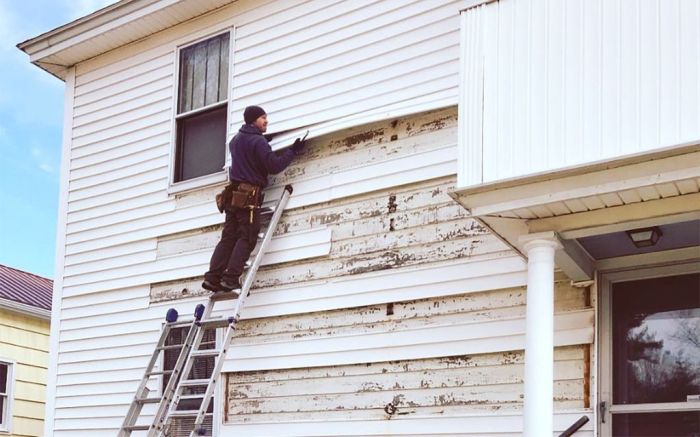
Regular siding maintenance not only enhances the curb appeal of your home but also significantly extends its lifespan. Ignoring maintenance can lead to costly repairs down the road, and the effects of neglect often manifest in unsightly damage, like peeling paint or rotting wood.
Common Reasons for Neglected Siding Maintenance
Often, neglecting siding maintenance stems from a combination of factors. A lack of awareness about the importance of preventative maintenance can lead to procrastination. Furthermore, time constraints and perceived low priority, especially when other home maintenance tasks seem more pressing, can contribute to this oversight. The perceived cost of maintenance can also deter some homeowners, though in the long run, proactive maintenance is more economical. Finally, a lack of knowledge about proper maintenance procedures may contribute to inaction.
Benefits of a Preventative Maintenance Schedule
Implementing a preventative maintenance schedule for your siding offers numerous benefits. Proactive maintenance significantly reduces the risk of costly repairs and replacements. It helps maintain the structural integrity of the siding, protecting your home from the elements. Regular inspections allow for early detection of potential problems, preventing minor issues from escalating into major ones. This approach also helps maintain the aesthetic appeal of your home, saving you time and money in the long run.
Common Siding Problems Preventable with Regular Maintenance
Regular maintenance can prevent many issues with siding. The most common concerns include:
- Moisture Damage: Water intrusion, whether from leaks or improperly sealed areas, can lead to significant problems, such as rot, mold, and mildew. This is especially true for wood or composite siding. Early detection and prompt repair are crucial.
- Pest Infestations: Wood siding, in particular, is vulnerable to wood-boring insects. Regular inspections can help detect signs of infestation early, allowing for timely treatment and preventing extensive damage.
- Fading and Deterioration: Exposure to sunlight and weather elements can cause siding to fade or deteriorate. Regular cleaning and protective treatments can help maintain its original appearance and prevent premature aging.
- Warpage and Cracking: Expansion and contraction due to temperature changes can cause siding to warp or crack, especially for certain materials. Regular inspections can help identify and address these issues before they become severe.
- Loose or Missing Panels: High winds and other weather events can dislodge or damage siding panels. Regular checks can identify and address these problems before they worsen.
Importance of Material-Specific Maintenance, Siding maintenance checklist
Different siding materials require different maintenance approaches. Understanding the specific needs of your siding material is critical for effective upkeep. For example, vinyl siding generally requires less maintenance than wood siding, but regular cleaning is still essential to prevent dirt buildup and mildew. Wood siding, on the other hand, needs more attention, including sealing and staining to prevent moisture damage.
Tools and Equipment Needed
Source: amazonaws.com
Proper siding maintenance requires the right tools and equipment for safe and effective work. Using the correct tools minimizes damage to the siding and ensures a professional finish. This section details essential tools and equipment, their applications, and crucial safety precautions.
Essential Tools for Siding Maintenance
A variety of tools are needed depending on the specific siding type and the maintenance task. Having the right tool for the job is key to successful and efficient maintenance. This section will cover a comprehensive list, along with descriptions and applications.
Tools and Their Applications
| Tool | Description | Application | Image Description |
|---|---|---|---|
| Safety Glasses | Eye protection to prevent debris and particles from entering the eyes. | All siding maintenance tasks, especially those involving scraping, hammering, or using power tools. | A pair of safety glasses with clear lenses, securely fitted over the eyes. |
| Work Gloves | Provides protection for hands from cuts, scrapes, and abrasions, and enhances grip. | All siding maintenance tasks, especially when handling nails, screws, or sharp objects. | Heavy-duty work gloves, possibly leather or reinforced fabric, designed for gripping and protection. |
| Ladder | Essential for reaching higher sections of siding for cleaning or repairs. | Cleaning, inspecting, and minor repairs on upper siding sections. | A sturdy extension ladder with non-slip feet and a safety lock mechanism. |
| Paint Brush (various sizes) | Used for applying sealants, caulking, and touch-up paint. Different sizes are needed for different areas. | Applying sealants, caulking, and painting. | A selection of paint brushes, ranging from small detail brushes to large flat brushes. |
| Utility Knife | Used for cutting caulk, removing loose sealant, or trimming excess materials. | Cutting caulk, removing loose sealant, and trimming excess materials. | A utility knife with a replaceable blade, ideally with a safety lock mechanism. |
| Putty Knife | Used for smoothing caulk or filling small holes or cracks. | Smoothing caulk, filling small holes or cracks. | A putty knife with a wide, flat blade for smoothing caulk or filling gaps. |
| Caulk Gun | Used for applying caulk to seal gaps and cracks in siding. | Applying caulk to seal gaps and cracks. | A caulk gun, ideally with a trigger mechanism for controlled dispensing. |
| Screwdriver Set (Phillips and Flathead) | Used for installing or removing screws used in siding attachments. | Installing or removing screws used in siding attachments. | A set of screwdrivers, including Phillips and flathead types, for various screw sizes. |
| Hammer | Used for driving nails, or other similar tasks. | Driving nails, or other similar tasks. | A claw hammer, appropriate for the task. |
| Wire Brush or Stiff Brush | Used for cleaning debris from siding surfaces. | Cleaning debris from siding surfaces. | A wire brush or stiff brush for effectively removing loose material. |
| Pressure Washer (Optional) | High-pressure water stream to remove dirt, grime, and loose debris from siding. | Cleaning siding surfaces, especially for removing significant dirt buildup. | A pressure washer with appropriate nozzle settings for various siding types. |
Safety Precautions
Using these tools safely is crucial. Always follow manufacturer’s instructions and take necessary precautions to avoid accidents.
Always wear appropriate personal protective equipment (PPE) when using tools and equipment.
Be mindful of the surroundings, and avoid using tools in areas where there’s a risk of falling or tripping.
Ensure that all tools are in good working order before use. Inspect for any damage or defects.
Keep children and pets away from the work area.
Use caution when using power tools. Always follow safety guidelines and use the correct safety equipment.
Never overreach when using a ladder.
Ensure proper footing and secure the ladder before climbing.
Be aware of weather conditions, and adjust work accordingly.
Inspection Procedures
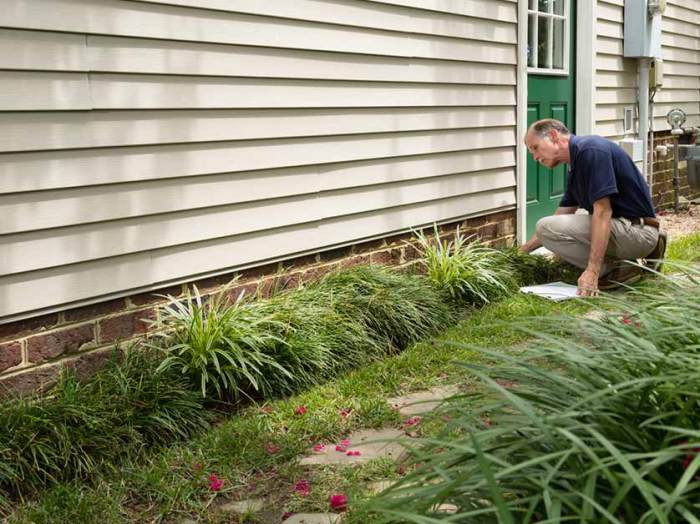
A thorough siding inspection is crucial for identifying potential issues early on. This proactive approach allows for timely repairs, preventing more extensive damage and costly replacements in the future. Understanding the specific characteristics of different siding types is key to a successful inspection.
Proper inspection procedures involve a systematic approach to evaluate the siding’s condition. This includes visual assessments, tactile checks, and potentially using specialized tools for a comprehensive evaluation. This process ensures a complete understanding of the siding’s overall health and allows for the identification of any signs of deterioration.
Vinyl Siding Inspection
A vinyl siding inspection should focus on identifying signs of damage, such as cracks, buckling, or warping. Checking for loose or missing panels is also important. Inspect for discoloration or fading, which can indicate sun exposure or potential material degradation. Look for signs of impact damage, such as dents or gouges, and for any signs of moisture intrusion or mold growth. Detailed notes and photographs are essential for documenting these findings.
Wood Siding Inspection
Inspect wood siding for any signs of rot, insect damage, or fungal growth. Look for loose or missing nails or fasteners. Check for cracks, splits, or gaps between the boards. Examine the wood’s overall condition for signs of moisture damage or excessive dryness. Note the presence of any paint or stain deterioration. Documenting the findings, including photographs and detailed notes, is crucial for tracking the siding’s health over time.
Fiber Cement Siding Inspection
Fiber cement siding, while generally durable, can still show signs of damage. Look for cracks, splits, or impact damage. Check for loose or missing fasteners. Examine the surface for any signs of discoloration or staining. Look for any evidence of moisture penetration, which can lead to deterioration. Photographing the areas of concern and noting the details of the damage is essential.
Documentation Practices
Detailed documentation is vital for tracking siding conditions and enabling informed decision-making. Photographs should capture the overall condition of the siding, including any specific areas of concern. Detailed notes should include the date of inspection, the location of the damage, and a description of the observed issues. These records will prove useful for future maintenance and repair needs. This meticulous documentation helps in scheduling repairs or replacements more efficiently.
Maintenance Tasks
Proper siding maintenance is crucial for preserving the aesthetic appeal and structural integrity of your home. Regular upkeep prevents costly repairs and extends the lifespan of your siding. Consistent attention to cleaning, caulking, and minor repairs will save you money and effort in the long run.
Cleaning Siding
Regular cleaning removes dirt, grime, and mildew, maintaining the siding’s appearance and preventing further damage. Different siding materials require specific cleaning techniques to avoid harm.
Cleaning Methods for Different Siding Materials
Different siding materials react differently to cleaning solutions. Carefully selecting the appropriate method is essential to avoid damaging the siding.
| Siding Material | Cleaning Method | Specifics |
|---|---|---|
| Vinyl | Mild detergent solution | Use a solution of mild dish soap and water. Avoid harsh chemicals or abrasive scrubbers. |
| Wood | Gentle pressure washing or soft brush | Use a low-pressure water stream or a soft-bristled brush to remove dirt and debris. Avoid strong detergents or bleach, as these can damage the wood. |
| Fiber Cement | Mild detergent or pressure washing | Use a mild detergent solution or a low-pressure water stream. Avoid abrasive scrubbers and harsh chemicals that can scratch the surface. |
| Aluminum | Mild detergent or pressure washing | Use a mild detergent solution or a low-pressure water stream. Avoid abrasive scrubbers and harsh chemicals that can scratch the surface. |
| Stone Veneer | Gentle pressure washing or soft brush | Use a low-pressure water stream or a soft-bristled brush to remove loose dirt and debris. Avoid strong detergents or bleach. |
Caulking and Sealing Procedures
Caulking and sealing gaps and cracks in siding prevents water intrusion and protects against further damage. Regular caulking ensures a watertight seal.
Inspect the siding for gaps, cracks, and deteriorated caulking. Apply a suitable caulk, ensuring proper application to fill gaps and cracks. Choose a caulk that matches the siding material.
Repairing Minor Damages
Addressing minor damages promptly prevents them from escalating into more significant issues. Minor repairs, if handled quickly, are inexpensive.
Inspect the siding for any loose or damaged panels, cracks, or nail holes. Use appropriate repair materials, such as wood filler or patching compounds, to address these issues. Ensure a clean and even repair for a lasting result.
Replacing Damaged Siding Components
Replacing damaged or deteriorated siding components is crucial to maintain the integrity of the exterior of the home.
Assess the extent of damage. If a section of siding is severely damaged or rotted, replacement is often necessary. Follow the manufacturer’s instructions for the specific siding material when removing and installing new components.
Preventing Common Problems
Proper siding maintenance involves more than just cleaning and painting. Proactive measures are crucial to extending the lifespan of your siding and minimizing costly repairs. This section details preventative strategies to safeguard your siding from common weather-related damage and emphasizes the importance of proper ventilation and water management.
Effective siding protection relies on a combination of preventative measures and prompt responses to potential issues. Addressing problems early can often save significant future costs associated with extensive repairs. By understanding how to properly maintain and protect your siding, you can significantly extend its lifespan and maintain the curb appeal of your home.
Protecting Siding from Weather Damage
Preventive measures play a vital role in preserving the integrity of siding. Regular inspections, addressing minor issues promptly, and using appropriate materials are key components of a proactive maintenance strategy. This includes recognizing and mitigating the effects of harsh weather conditions.
- Regular Inspections: Conducting routine visual inspections can identify early signs of damage. Look for signs of cracking, peeling, or gaps in the siding material, as well as signs of water damage like discoloration or mold growth. Note any loose or missing fasteners, which can lead to more extensive damage.
- Addressing Minor Issues: Early intervention can prevent small problems from escalating into major ones. Repair or replace any damaged sections immediately to prevent further deterioration. This includes caulking around gaps and patching any holes.
- Material Selection: Choose siding materials that are well-suited to your climate. Certain materials are more resistant to specific weather elements like high winds, heavy rain, or extreme temperature fluctuations. Consult with local building professionals to determine the best material for your area.
Proper Ventilation Around Siding
Adequate ventilation around siding is crucial to prevent moisture buildup, which is a significant cause of rot and damage. Proper air circulation helps maintain the structural integrity of the siding and prevents mold growth.
- Airflow Management: Ensure proper air circulation around your siding. This often involves proper attic ventilation and consideration of the position of your home in relation to prevailing winds. Incorrect ventilation can lead to moisture buildup in the walls, creating an environment conducive to rot and decay.
- Siding Overlap and Spacing: Siding should be installed with appropriate overlaps and spacing. Overlapping sections help prevent water from entering the seams, and appropriate spacing promotes proper air circulation. Incorrect overlap or spacing can lead to water intrusion and damage.
Addressing Water Intrusion Issues
Water intrusion is a common siding problem. Identifying and addressing the source of water intrusion is crucial to prevent further damage.
- Identifying Water Sources: Carefully inspect your home’s exterior for signs of water intrusion. Look for leaks in gutters, downspouts, or flashing. Check for damaged or missing shingles or other roof components that might be causing water to penetrate the siding.
- Repairing Leaks: Immediately repair any leaks or damaged areas that allow water to enter. This often involves replacing damaged flashing, repairing gutters and downspouts, and addressing roof problems.
- Caulking and Sealing: Regular caulking and sealing of joints and seams can prevent water from seeping into the siding material. Apply caulk to any gaps or cracks where water may enter.
Comparing Protective Coatings for Siding
Various protective coatings are available for siding materials. Choosing the right coating can significantly extend the lifespan and enhance the appearance of your siding.
| Type of Coating | Advantages | Disadvantages |
|---|---|---|
| Acrylic Paints | Affordable, widely available, good for many siding materials. | May require more frequent repainting, not as durable as other options. |
| Epoxy Paints | More durable, resistant to weather, and more resistant to fading. | More expensive, may not be as aesthetically pleasing as acrylic. |
| Silicone Paints | Excellent moisture resistance, long-lasting durability. | Can be more expensive than acrylic. |
Regular Maintenance Extends Siding Lifespan
Consistent maintenance significantly extends the life of your siding. Early detection and timely repairs are key to preventing costly replacements.
Regular maintenance prevents minor problems from becoming major repairs, saving time and money in the long run.
Regular inspections and prompt repairs of minor damage will significantly extend the lifespan of your siding, keeping your home looking its best for years to come.
Emergency Situations: Siding Maintenance Checklist
Siding emergencies can range from minor issues to significant structural problems. Prompt action is crucial to mitigate further damage and ensure the safety of your home. Understanding the potential problems and how to react appropriately can save you time, money, and stress.
Common Siding Emergencies
Identifying potential siding emergencies is vital for timely intervention. Common emergencies include severe damage from storms, such as hail or high winds, leading to significant structural damage. Water leaks, often caused by damaged flashing or improper installation, can lead to costly water damage inside the home. Additionally, signs of pest infestation, such as extensive wood rot or holes in the siding, signify a serious issue that needs prompt attention.
Immediate Actions for Emergencies
Taking immediate action in case of a siding emergency is critical. If you experience severe damage, first prioritize safety. Secure the area to prevent further harm and document the extent of the damage with photos. Contact your insurance provider immediately to initiate the claims process and to determine your coverage. If the damage is extensive, or poses a risk of injury, contact a qualified professional for assessment and repair.
Emergency Contact Information
Maintaining a list of essential contacts can be beneficial during emergencies. Include emergency repair services specializing in siding repair and your home insurance company. Consider creating a list of trusted local contractors specializing in siding repair, including their contact details. Also, note any specific emergency contacts for your homeowner’s association, if applicable.
Emergency Checklist
Preparing for potential siding emergencies can help you respond efficiently. Having a pre-prepared checklist allows you to quickly address the situation and minimize potential losses.
- Document Damage: Take photos or videos of the damaged area, noting the extent and location of the damage.
- Secure the Area: If the damage poses an immediate safety risk, take necessary steps to secure the area to prevent further damage or injury.
- Contact Insurance: Immediately notify your insurance company about the incident to initiate the claims process and to determine your coverage.
- Contact Repair Services: Gather contact information for reliable siding repair services to promptly assess the situation and schedule necessary repairs.
- Gather Necessary Documents: Have your insurance policy details and any relevant paperwork readily available for the insurance claim process.
- Assess for Further Damage: After immediate actions, inspect for any further damage or structural issues that might have been overlooked.
Scheduling and Record Keeping
Regular siding maintenance is crucial for extending the life and preserving the aesthetic appeal of your home. A proactive approach, including a well-structured schedule and meticulous record-keeping, significantly contributes to achieving these goals.
A planned maintenance schedule helps anticipate potential issues before they escalate into costly repairs. Consistent upkeep allows for prompt identification and resolution of problems, preventing minor issues from becoming major concerns. This proactive approach saves time and money in the long run.
Benefits of a Regular Maintenance Schedule
A structured maintenance schedule provides numerous advantages. It enables homeowners to stay on top of required tasks, preventing neglect and deterioration. This proactive approach helps maintain the siding’s structural integrity and visual appeal. It also facilitates timely intervention, which is essential for addressing any problems before they become more significant and costly to repair. A regular schedule fosters a sense of responsibility and ensures that maintenance tasks are completed efficiently and effectively.
Sample Maintenance Schedule for Different Siding Types
A tailored maintenance schedule is essential to address the unique needs of each siding type. Different materials require varying levels of care and attention.
- Vinyl Siding: A general inspection every spring and fall is recommended. Thorough cleaning should be performed annually, focusing on removing dirt and debris that may cause discoloration or damage. Inspect for any signs of cracking, warping, or damage, particularly around seams and joints.
- Wood Siding: A thorough inspection should be carried out every six months. Regular cleaning is recommended, along with checking for signs of rot, insect infestations, or water damage. Addressing these issues promptly will prevent extensive deterioration.
- Fiber Cement Siding: Fiber cement siding generally requires less frequent maintenance. An annual inspection and cleaning is usually sufficient. Pay close attention to areas where the siding meets other elements of the house, like the roofline or trim.
Importance of Documenting Maintenance Activities
Maintaining detailed records of maintenance activities provides valuable insights into the siding’s condition over time. This documentation offers a historical perspective, allowing homeowners to identify recurring problems and trends, enabling informed decisions about future maintenance and repairs. These records are also helpful in case of insurance claims or future home sales.
Maintenance Task Record
Thorough record-keeping helps track maintenance progress and identify patterns. A well-maintained record allows homeowners to anticipate potential problems and schedule appropriate maintenance. This record provides a comprehensive history of the siding’s condition, which can be useful for future reference.
| Date | Task Performed | Findings | Next Steps |
|---|---|---|---|
| 2024-03-15 | Vinyl Siding Inspection | No visible damage, minor dirt accumulation. | Schedule annual cleaning. |
| 2024-09-20 | Wood Siding Inspection | Found minor signs of rot at bottom of siding panels. | Contact professional for assessment and repair. |
| 2024-12-10 | Fiber Cement Siding Inspection | No noticeable issues, clean and intact. | Inspect again next year. |
End of Discussion
In conclusion, a proactive approach to siding maintenance is key to preserving your home’s value and curb appeal. By following the detailed steps Artikeld in this checklist, you’ll be well-equipped to handle everything from routine cleaning to emergency repairs. Regular maintenance not only extends the life of your siding but also protects your investment and ensures your home’s beauty for years to come. Remember to document your maintenance activities for future reference.